Installation Methods: Three Classic Configurations
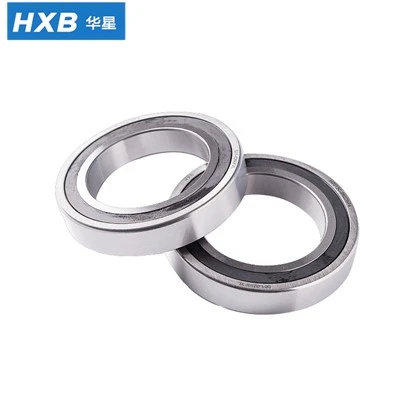
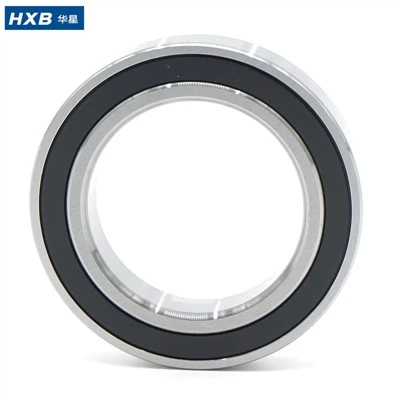
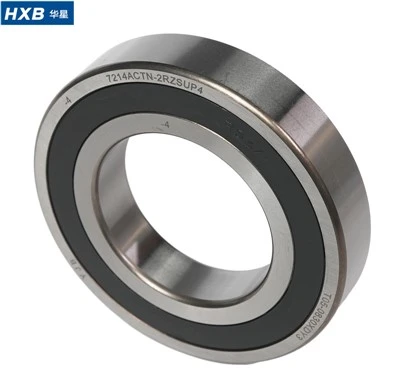
Installing angular contact ball bearings is like building with blocks; different configurations suit different operating conditions:
- Back-to-back: The wide sides of the outer rings face each other, resembling two warriors standing back-to-back. This setup handles significant bidirectional axial loads and is ideal for high-speed machine tool spindles.
- Face-to-face: The narrow sides of the outer rings face each other, like friends conversing face-to-face. This configuration tolerates axial misalignment well and is commonly used in drive shaft systems.
- Tandem: Multiple bearings are arranged in the same direction, like a neat train. This setup significantly boosts radial load capacity, making it suitable for heavy-duty equipment.
Load Analysis: The Art of Force Balance
When a bearing operates, it performs a balancing act of forces:
- Radial load: A vertical force arising from gear meshing or belt drives that causes elastic deformation in the bearing's inner ring. Proper preload minimizes this deformation and enhances rotational precision.
- Axial load: Thrust generated by helical or bevel gears; the bearing's contact angle resolves this force. A larger contact angle provides greater axial load capacity.
- Combined load: In real-world applications, bearings often endure both radial and axial loads simultaneously. Calculating the equivalent dynamic load is essential to ensure the bearing's service life meets design specifications.
Installation Tips: Details Make the Difference
Paying attention to these installation details can boost bearing performance by 30%:
- Preload control: Tighten fasteners in stages using a torque wrench to avoid uneven loading caused by tightening all at once. Excessive preload increases friction, while insufficient preload leads to excessive internal clearance.
- Temperature adaptation: Consider operating temperatures during installation; allow for thermal expansion in high-temperature environments to prevent the bearing from seizing.
- Alignment adjustment: Use a dial indicator to check shaft alignment. Deviations exceeding 0.05 mm require adjustment to prevent accelerated bearing wear.
- Lubrication selection: Choose the lubrication method based on speed and load; oil lubrication is best for high-speed applications, while grease lubrication is ideal for low-speed, heavy-load scenarios.