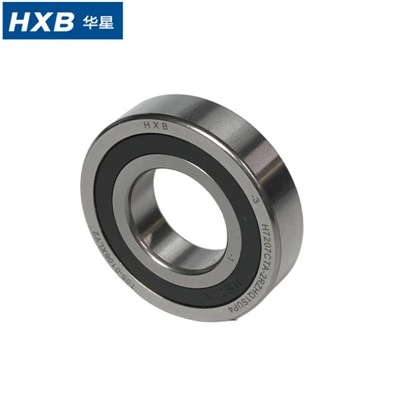
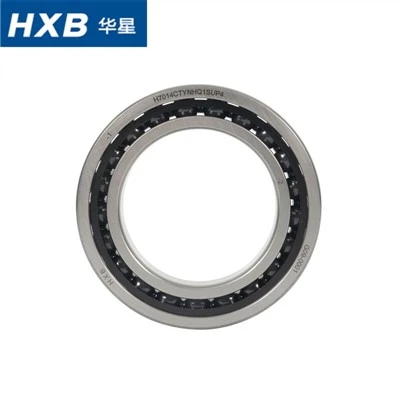
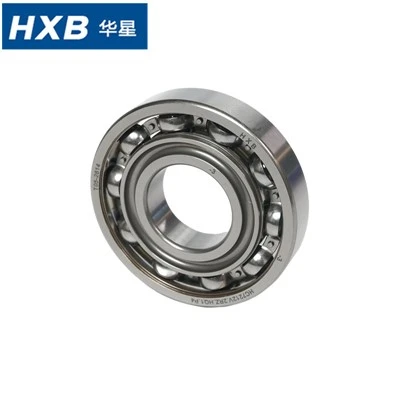
Hey there! As a supplier of Ultra High-speed Angular Contact Ball Bearings 70BNR10H, I often get asked about their load-carrying capacity under different operating conditions. So, I thought I'd dive into this topic and share what I've learned.
Understanding the Basics
Let's start with a bit of background. The 70BNR10H bearings are designed to handle high speeds and specific types of loads. They're commonly used in machine tools, high - performance motors, and other applications where precision and speed are crucial.
The load - carrying capacity of a bearing is the maximum load it can handle without excessive wear or failure. It's typically measured in two types: radial load and axial load. Radial loads act perpendicular to the bearing's axis, while axial loads act parallel to it.
Load - Carrying Capacity in Normal Operating Conditions
Under normal operating conditions, these bearings can handle a pretty decent amount of load. But what are normal conditions? Well, that usually means a stable environment with a moderate temperature range and a constant rotational speed.
For radial loads, the 70BNR10H bearings are designed to provide a reliable performance. They have a specific geometry and internal structure that distribute the load evenly across the balls and raceways. This helps prevent premature wear and ensures a longer service life.
Axially, these bearings are also well - equipped. They can handle a certain amount of thrust load due to their angular contact design. The contact angle of the bearing plays a significant role here. A larger contact angle generally means a higher axial load - carrying capacity but may reduce the radial load - carrying capacity slightly.
High - Speed Operating Conditions
When it comes to high - speed operation, things get a bit more complicated. At high speeds, the centrifugal forces acting on the bearing components increase significantly. This can cause the balls to push against the outer race, potentially affecting the load - distribution pattern.
To counter this, the 70BNR10H bearings are engineered with special materials and heat - treatment processes. The balls are made from high - quality steel or ceramic in some cases, which can withstand the high stresses generated at high speeds.

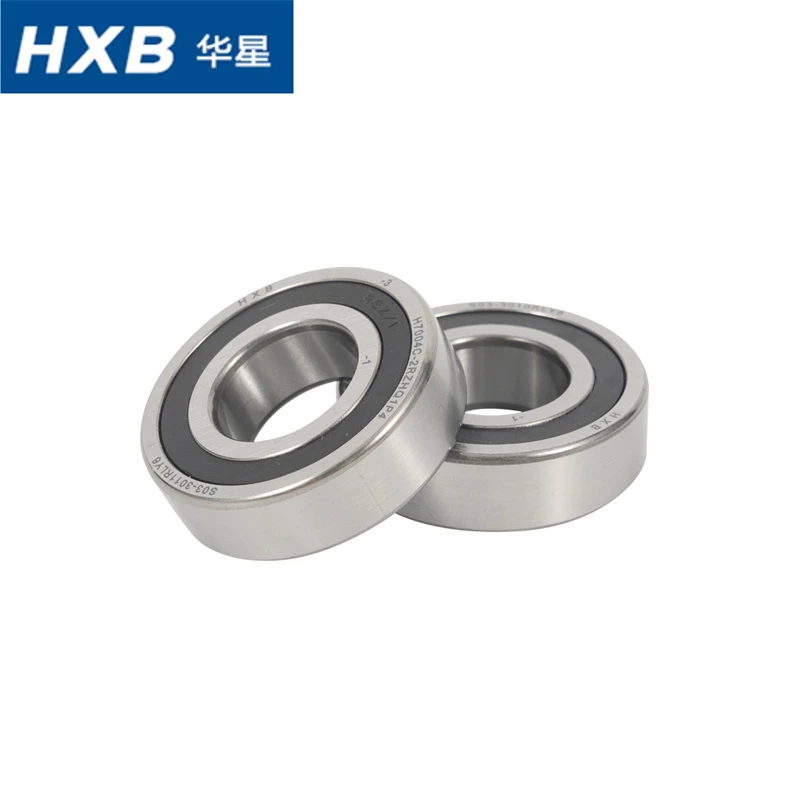
However, the load - carrying capacity does decrease at extremely high speeds. The increased friction and heat generation can wear out the bearing faster, even if it's designed to handle high - speed operation. So, it's important to balance the speed with the load. If you're planning to run the bearing at very high speeds, you might need to reduce the load it's carrying to ensure a long service life.
High - Temperature Operating Conditions
High temperatures can also have a big impact on the load - carrying capacity of the 70BNR10H bearings. As the temperature rises, the material properties of the bearing components change. The steel or ceramic may expand, which can affect the internal clearances of the bearing.
If the internal clearances are too small at high temperatures, the bearing can overheat, leading to premature failure. On the other hand, if the clearances are too large, the load - distribution becomes uneven, and the bearing's performance deteriorates.
To deal with high - temperature conditions, we often recommend using bearings with special lubricants that can withstand high temperatures. These lubricants help reduce friction and heat generation, which in turn helps maintain the load - carrying capacity of the bearing.
Low - Temperature Operating Conditions
Low - temperature conditions are also a factor to consider. At very low temperatures, the lubricant can become thick, which increases the friction in the bearing. This can reduce the rotational speed and the load - carrying capacity.
The material of the bearing components can also become more brittle at low temperatures. This means that the bearing may be more prone to cracking or other forms of damage under high loads.
To address these issues, we suggest using lubricants that are specifically designed for low - temperature applications. These lubricants remain fluid at low temperatures, ensuring smooth operation and maintaining the load - carrying capacity of the bearing.
Other Bearings in Our Catalog
In addition to the 70BNR10H bearings, we also offer a range of other high - quality bearings. For example, check out our Hybrid Ceramic Bearings HCB7207C - 2RSD - T - P4. These bearings are great for applications where high - speed and low - friction operation are required.
We also have the Spindle Bearings HCB71920 - E - T - 2RSD - P4S - UL, which are designed for precision spindle applications. And the Spindle Bearings HCB71906C - 2RSD - T - P4S - UL are perfect for smaller spindle systems.
If you need something more specific, take a look at our Hybrid Bearing HCB7004 - C - 2RSD - T - P4S and Precision Ceramic Bearing HCB7006 - C - T - 2RSD - P4S. These bearings offer excellent performance in various applications.
Let's Talk
If you're in the market for high - quality bearings, don't hesitate to reach out. We have a team of experts who can help you choose the right bearing for your specific needs. Whether you need to know more about the load - carrying capacity of the 70BNR10H bearings or want to learn about our other products, we're here to assist you.
Let's have a chat and see how we can help you with your bearing requirements. We're confident that our products will meet your expectations and provide you with a reliable solution for your application.
References
- Harris, T. A., & Kotzalas, M. N. (2007). Rolling Bearing Analysis. Wiley.
- Zorzi, C. (2014). Tribology and Dynamics of Machine Elements: Bearings, Seals, Surface Design and Condition Monitoring. Springer.