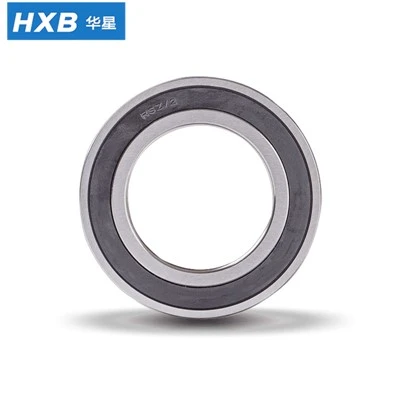
As a supplier of 608ZZ bearings, I am often asked about the impact of the friction coefficient on their efficiency. Understanding this relationship is crucial for both manufacturers and end - users, as it can significantly affect the performance and lifespan of the equipment in which these bearings are used.
The Basics of 608ZZ Bearings
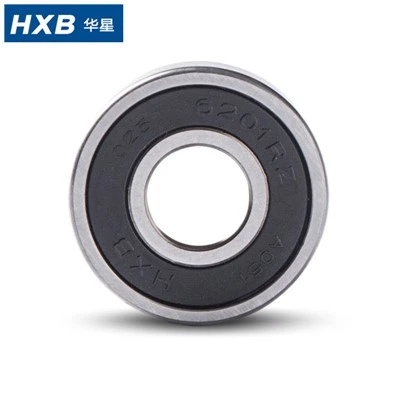
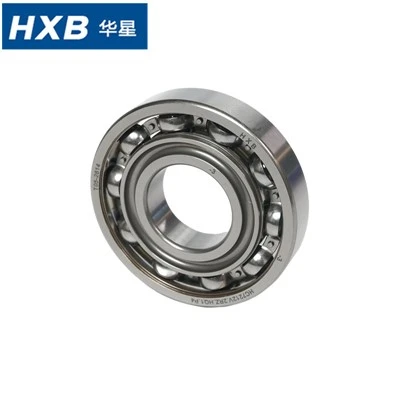
The 608ZZ bearing is a type of deep - groove ball bearing. The "608" refers to the bearing's size and series, while the "ZZ" indicates that it has two metal shields on both sides. These shields are designed to prevent dirt, dust, and debris from entering the bearing, thus protecting the internal components.
Deep - groove ball bearings, including the 608ZZ, are among the most commonly used bearings in various applications. They can support both radial and axial loads, and are known for their relatively low friction and high - speed capabilities. Their design allows the balls to roll smoothly within the raceways, which is essential for minimizing energy losses due to friction.
Understanding the Friction Coefficient
The friction coefficient is a dimensionless quantity that represents the ratio of the frictional force between two surfaces in contact to the normal force pressing the surfaces together. In the context of 608ZZ bearings, the friction coefficient depends on several factors, such as the material of the bearing components (balls, raceways), the lubrication used, the surface finish of the raceways, and the operating conditions (speed, load, temperature).
Lower friction coefficients generally indicate less resistance to motion. When the friction between the balls and the raceways is reduced, the bearing can rotate more easily, resulting in less energy being wasted as heat. This not only improves the efficiency of the bearing but also reduces the wear and tear on its components, leading to a longer service life.
Impact on Efficiency
Energy Consumption
One of the most significant impacts of the friction coefficient on the efficiency of 608ZZ bearings is related to energy consumption. In applications where the bearings are part of a mechanical system, such as motors, fans, or conveyor belts, the frictional losses in the bearings contribute to the overall power requirements of the system.
A bearing with a high friction coefficient requires more energy to overcome the frictional forces and keep rotating. This means that the motor or power source driving the system has to work harder, consuming more electricity or fuel. On the other hand, a 608ZZ bearing with a low friction coefficient reduces the frictional resistance, allowing the system to operate with less energy input. This can translate into significant cost savings, especially in industrial settings where large numbers of bearings are used.
For example, in a manufacturing plant with multiple conveyor belts, each equipped with 608ZZ bearings, reducing the friction coefficient of these bearings can lead to a substantial reduction in the overall electricity bill. Over time, these savings can add up to a significant amount of money.
Heat Generation
Friction also generates heat. When the friction coefficient of a 608ZZ bearing is high, more heat is produced during operation. Excessive heat can have several negative effects on the bearing and the surrounding components.
Firstly, high temperatures can cause the lubricant inside the bearing to break down more quickly. Lubrication is essential for reducing friction and protecting the bearing surfaces from wear. If the lubricant loses its effectiveness due to high temperatures, the friction coefficient will increase further, leading to a vicious cycle of heat generation and increased wear.
Secondly, thermal expansion can occur due to the heat. This can change the clearances between the bearing components, potentially leading to misalignment and increased stress on the balls and raceways. This can result in premature failure of the bearing.
In contrast, a low - friction 608ZZ bearing generates less heat. This helps to maintain the integrity of the lubricant and keeps the bearing operating within its optimal temperature range, thereby improving its reliability and lifespan.
Speed and Performance
The friction coefficient also affects the maximum speed at which a 608ZZ bearing can operate efficiently. High friction creates more resistance to motion, which limits the speed at which the bearing can rotate without overheating or experiencing excessive wear.
A bearing with a low friction coefficient can achieve higher rotational speeds with less effort. This is particularly important in high - speed applications, such as in electric motors or spindles. For instance, in a CNC machine, the spindle bearings need to rotate at high speeds to ensure precise machining. By using 608ZZ bearings with a low friction coefficient, the spindle can reach higher speeds more easily, improving the overall performance and productivity of the machine.
Factors Affecting the Friction Coefficient
Material Selection
The choice of materials for the balls and raceways of the 608ZZ bearing plays a crucial role in determining the friction coefficient. High - quality materials with good surface hardness and smoothness can reduce friction.
For example, bearings made from chrome steel are commonly used due to their high hardness and wear - resistance. The smooth surface finish of chrome steel reduces the contact area between the balls and the raceways, resulting in lower friction. Advanced materials, such as ceramics, are also being increasingly used in some high - performance bearings. Ceramic balls have a lower density and better heat - resistance compared to steel balls, which can contribute to a lower friction coefficient.
Lubrication
Proper lubrication is essential for reducing the friction coefficient of 608ZZ bearings. Lubricants create a thin film between the balls and the raceways, which separates the two surfaces and reduces direct contact.
There are various types of lubricants available, including grease and oil. Grease is a thick, semi - solid lubricant that is convenient for many applications, as it can stay in place and provide long - term lubrication. Oil, on the other hand, is better suited for high - speed applications, as it can provide better cooling and lower friction.
The quality and type of lubricant used can significantly affect the friction coefficient. A high - quality lubricant with good anti - friction properties can reduce the frictional forces in the bearing, while a poor - quality lubricant may not provide adequate protection, leading to increased friction and wear.
Surface Finish
The surface finish of the raceways and balls also impacts the friction coefficient. A smooth surface finish reduces the roughness of the contact surfaces, which in turn reduces the friction between the balls and the raceways.
Manufacturers use advanced machining and polishing techniques to achieve a high - quality surface finish. For example, precision grinding and lapping can be used to create smooth and uniform surfaces on the raceways. This helps to ensure that the balls can roll smoothly, minimizing the friction and improving the overall efficiency of the bearing.
Related Products and Their Applications
In addition to 608ZZ bearings, we also offer a wide range of other high - quality bearings, such as Ball Bearings 6201 - 2RS, Deep Groove Ball Bearing 6203 - 2RS, Deep Groove Ball Bearing 608 - 2RS, Low Noise Ball Bearing 6305 - 2RS, and Household Bearing 6306 - UU. These bearings are suitable for a variety of applications, from household appliances to industrial machinery.
Conclusion and Call to Action
In conclusion, the friction coefficient of 608ZZ bearings has a profound impact on their efficiency. By reducing the friction coefficient through proper material selection, lubrication, and surface finish, we can improve energy efficiency, reduce heat generation, and enhance the speed and performance of the bearings.
As a reliable supplier of high - quality 608ZZ bearings and related products, we are committed to providing our customers with bearings that offer low friction coefficients and excellent performance. If you are interested in learning more about our products or have any specific requirements for your projects, please feel free to contact us for procurement discussions. We look forward to the opportunity to work with you and provide you with the best bearing solutions.


References
- Harris, T. A., & Kotzalas, M. N. (2007). Rolling Bearing Analysis (5th ed.). Wiley.
- Goldman, J. A. (2012). Machinery's Handbook (29th ed.). Industrial Press.
- American Bearing Manufacturers Association. (2015). ABMA Standards for Ball and Roller Bearings.