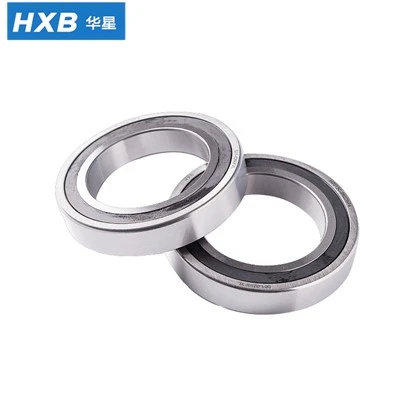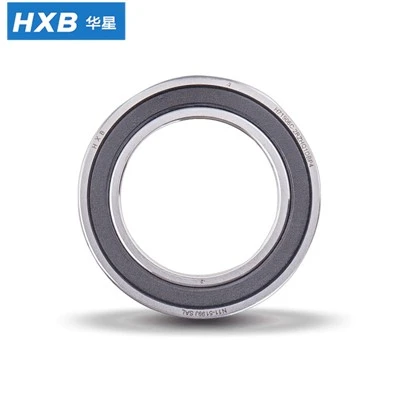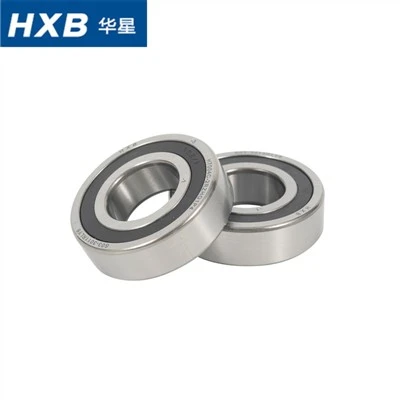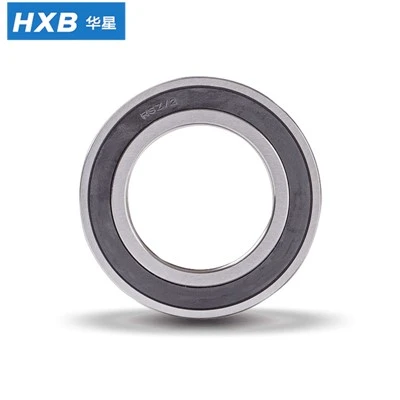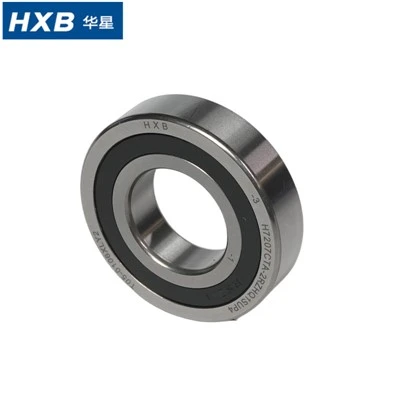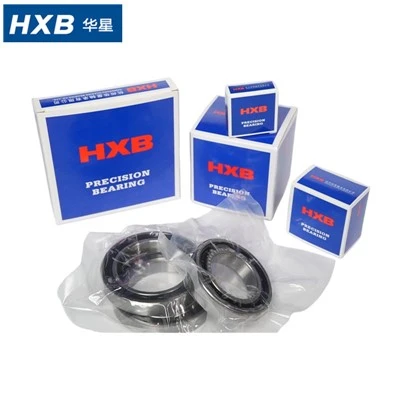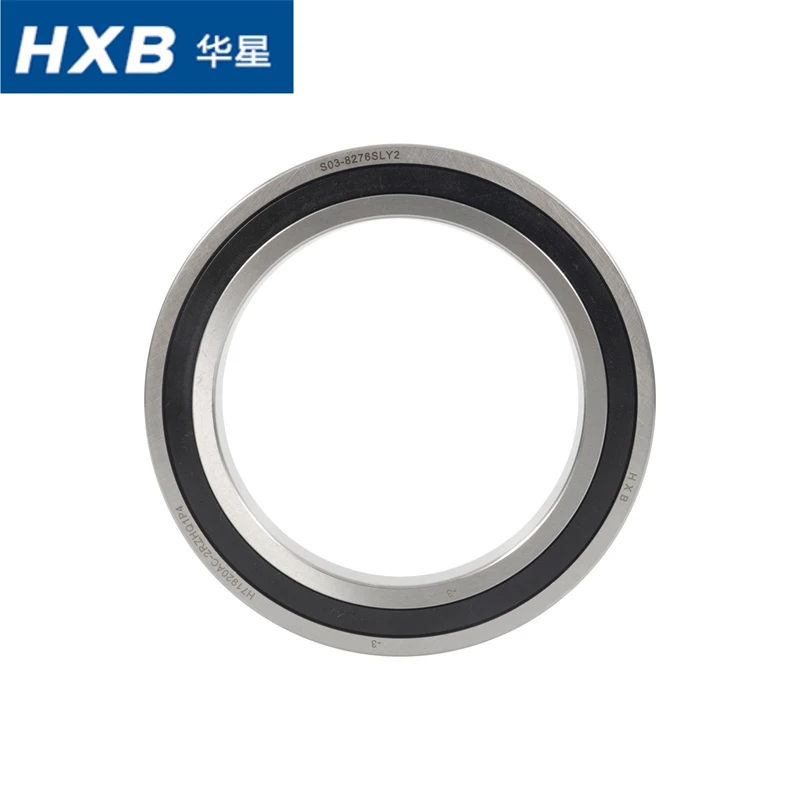


Hangzhou Huaxing Kechuang Holding Group Co., Ltd. is one of the leading manufacturers and suppliers of spindle bearings hcb71920-e-t-2rsd-p4s-ul in China. As we have world-leading production equipment and strong manufacturing capabilities, we warmly welcome you to buy bulk high quality bearings at competitive price from our factory.
Spindle Bearings-S71920CDGAHC/P4A
Exchange: HCB71920E-2RSD-P4S(FAG), H71920AC-2RZ-HQ1-P4S, 71920CSN24TRV1VDTP4(NSK), HCB71920E-2RSD-T-P4S-UL(SKF)
Technical Data
|
Inside Ø (mm): |
100 |
|
|
Outside Ø (mm): |
140 |
|
|
Width (mm): |
20 |
|
|
Contact Angle: |
25° |
|
|
Rows Of Balls: |
Single Row |
|
|
Seal: |
NBR |
|
|
Ring Material: |
GCr15, 100Cr6, SUJ2 |
|
|
Rolling Element Material: |
Ceramics |
|
|
Cage Material: |
Phenolic Resin |
|
|
Tolerance Class: |
P4S |
|
|
Lubrication: |
Greased with L252 |
|
|
Type of lubrication: |
Grease |
|
|
Product weight: |
0,59 kg |

Features
Advantages of Hybrid Ceramic Spindle Bearings vs. Conventional Steel Bearings
Hybrid ceramic spindle bearings, which combine steel rings with silicon nitride (Si3N4) ceramic balls, offer significant performance advantages over traditional all-steel bearings in high-precision and high-speed applications.
Superior High-Speed Performance: Ceramic balls are approximately 40% lighter than steel balls of the same size. This reduced mass drastically lowers centrifugal force at high rotational speeds, minimizing ball skidding and gyroscopic moments. As a result, hybrid bearings can achieve significantly higher limiting speeds and lower operating temperatures compared to their all-steel counterparts.
Enhanced Rigidity and Precision: Silicon nitride has a higher elastic modulus than bearing steel, making hybrid bearings up to 15-20% stiffer. This increased stiffness reduces spindle deflection under cutting loads, leading to improved machining accuracy, better surface finishes, and reduced vibration.
Extended Service Life and Durability: Ceramic balls are harder and more wear-resistant than steel, offering superior fatigue resistance. They also generate less friction and heat, which helps preserve lubricant integrity and reduces thermal deformation. In many applications, hybrid ceramic bearings can last 2 to 5 times longer than standard steel bearings.
Electrical Insulation: The non-conductive nature of ceramic balls effectively prevents electrical erosion (pitting) caused by stray currents or shaft voltages. This is a critical advantage in applications involving electric motors, VFDs, and other electrically sensitive environments.
Improved Thermal Stability: Ceramic has a much lower coefficient of thermal expansion than steel. This means the bearing is less affected by temperature fluctuations during operation, helping to maintain consistent preload and dimensional stability, which is vital for precision machining.
Corrosion Resistance and Low Lubrication Needs: Ceramic is chemically inert and highly resistant to corrosion from moisture, weak acids, and lubricant degradation. Additionally, the smooth surface of ceramic balls has self-lubricating properties, allowing the bearing to perform reliably even with minimal lubrication or if the grease begins to dry out.
⚠️ Important Consideration
While hybrid ceramic bearings excel in high-speed, high-precision, and electrically demanding applications, they are not always the optimal choice. In standard-speed applications where fatigue spalling is the primary failure mode, a high-quality all-steel bearing may offer a longer and more cost-effective service life. The higher manufacturing cost of ceramic bearings should also be weighed against the specific performance requirements of the application.
Applications
Comprehensive Applications of Hybrid Ceramic Ball Bearings
Hybrid ceramic ball bearings, characterized by steel rings and silicon nitride (Si3N4) ceramic balls, have transitioned from niche components to critical enablers across a vast spectrum of high-performance industries. Their unique combination of low density, high stiffness, electrical insulation, and thermal stability allows them to solve specific engineering challenges that traditional all-steel bearings cannot address. Below is a comprehensive classification of their applications, organized by industry sector and specific operational demands.
Advanced Manufacturing & Precision Machining
In the realm of precision manufacturing, hybrid ceramic bearings are the gold standard for high-speed spindles and rotary systems where accuracy and thermal stability are paramount.
- High-Speed Machine Tool Spindles: Used in CNC machining centers, high-speed milling machines, internal/external grinders, and high-speed engraving machines. The low centrifugal force of ceramic balls allows for DN values far exceeding steel bearings, while their high stiffness ensures minimal deflection under cutting loads, directly translating to superior surface finishes and dimensional accuracy.
- Precision Grinding & Polishing: Essential for grinding heads and polishing spindles where P2 or P4 precision grades are required. The low friction and heat generation prevent thermal expansion that could compromise micron-level tolerances during extended operations.
- High-Speed PCB Manufacturing: Critical for printed circuit board drilling and routing spindles. These applications demand extreme rotational speeds and rapid acceleration/deceleration cycles, where the lightweight nature of ceramic balls reduces inertia and wear on the bearing system.
- Industrial Robotics: Deployed in robot wrist joints and precision positioning systems. The high rigidity of ceramics maintains ±0.1 mm repeatability under heavy loads, while their maintenance-free nature is ideal for cleanroom and high-cycle environments.
New Energy & Electrification
The global shift toward electrification has created a massive demand for bearings that can handle high speeds, high temperatures, and electrical challenges simultaneously.
- Electric Vehicle (EV) Drivetrains: Increasingly used in EV motors, wheel hubs, and transmission systems. Ceramic bearings reduce friction by 30–50% at speeds above 20,000 RPM, extending battery range. Their electrical insulation property is critical for preventing shaft voltage erosion in 800V platforms, where stray currents can rapidly destroy steel bearings.
- Wind Energy Systems: Applied in wind turbine generators, pitch systems, and main shafts. Offshore turbines benefit from the corrosion resistance of ceramics against salt spray, while the extended fatigue life (3–6 times that of steel) supports the 20-year design life target with reduced maintenance intervals.
- High-Speed Motors & Compressors: Found in HVAC compressors, industrial motors, and high-speed turbo machinery. The ability to operate at higher speeds with less heat generation improves energy efficiency and helps meet stringent eco-design directives.
Aerospace & Defense
Aerospace applications demand the highest levels of reliability, weight reduction, and performance under extreme conditions.
- Jet Engine Components: Used in auxiliary power units (APUs), fuel pumps, and starter-generators. Ceramic bearings can withstand temperatures above 300°C and reduce weight by approximately 40% compared to steel equivalents, directly contributing to fuel efficiency and reduced emissions.
- Aerospace Precision Rotary Components: Deployed in gyroscopes, actuators, and control surface mechanisms. The low thermal expansion coefficient ensures dimensional stability across the wide temperature ranges encountered in flight, while the high stiffness maintains precision under dynamic loads.
- Satellite & Space Systems: Utilized in reaction wheels, momentum wheels, and solar array drive mechanisms. The vacuum-compatible nature of ceramics, combined with their low outgassing properties, makes them ideal for space environments where traditional lubricants may fail.
Medical & Life Sciences
Medical applications require bearings that are non-magnetic, corrosion-resistant, and capable of operating in sterile or sensitive environments.
- Magnetic Resonance Imaging (MRI): Essential for superconducting magnet systems and cryogenic pumps. The non-magnetic property of silicon nitride prevents interference with the powerful magnetic fields, while a single 3T MRI scanner may use over 200 precision ceramic bearings.
- Surgical Robotics & Dental Handpieces: Used in high-speed dental drills and robotic surgical arms. The smooth ceramic surface reduces heat generation, protecting sensitive tissues, while the corrosion resistance ensures compatibility with repeated sterilization cycles.
- Laboratory & Diagnostic Equipment: Found in centrifuges, automated analyzers, and precision optical inspection systems. The low vibration and high precision of ceramic bearings ensure accurate test results and reliable operation in sensitive diagnostic environments.
Specialized Industrial & Niche Applications
Beyond the major sectors, hybrid ceramic bearings serve critical roles in specialized industrial and consumer applications where extreme performance is required.
- Semiconductor Manufacturing: Used in wafer handling robots, vacuum pumps, and lithography equipment. The clean, non-particulating nature of ceramics prevents contamination in ultra-clean environments, while their chemical inertness resists aggressive process gases.
- High-Performance Consumer Products: Applied in premium bicycles, drones, and high-end audio equipment. In cycling, ceramic bearings reduce rolling resistance for improved efficiency; in drones, they enable higher RPMs and longer flight times; in audio, they minimize vibration for superior sound quality.
- Textile & Packaging Machinery: Deployed in high-speed looms, spinning frames, and packaging lines. The corrosion resistance protects against moisture and chemical exposure, while the extended service life reduces downtime in continuous production environments.
- Marine & Offshore Equipment: Used in propulsion systems, winches, and navigation instruments. The superior corrosion resistance against saltwater and the ability to operate with minimal lubrication make them ideal for harsh marine environments.


Advantages
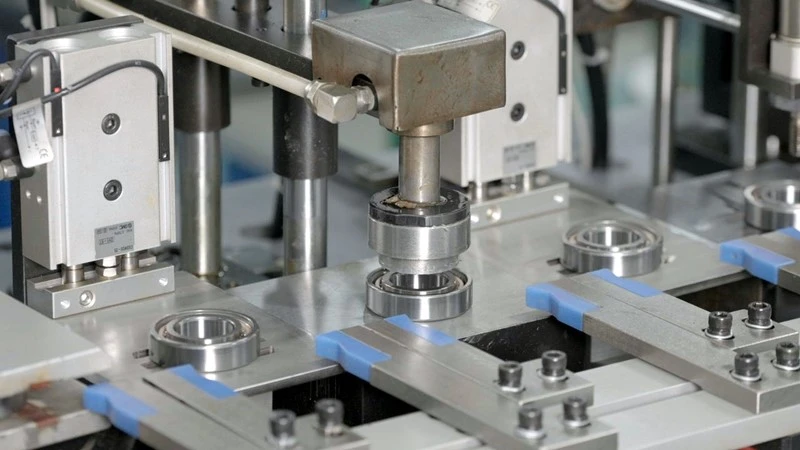
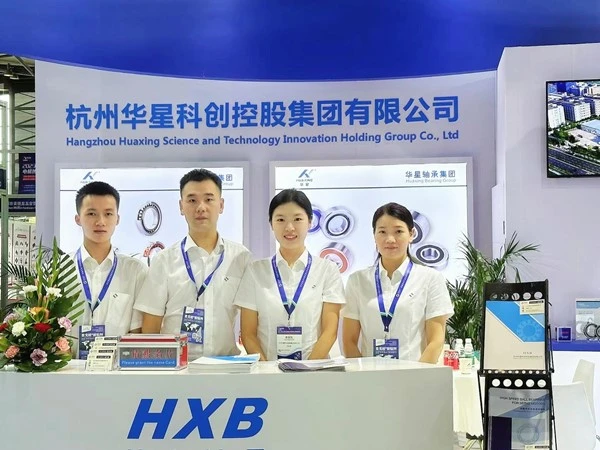
HXB was founded in 1995, with nearly 30 years of dedicated development, HXB now operates6 subsidiaries.
∗ 2 high-tech R&D centers
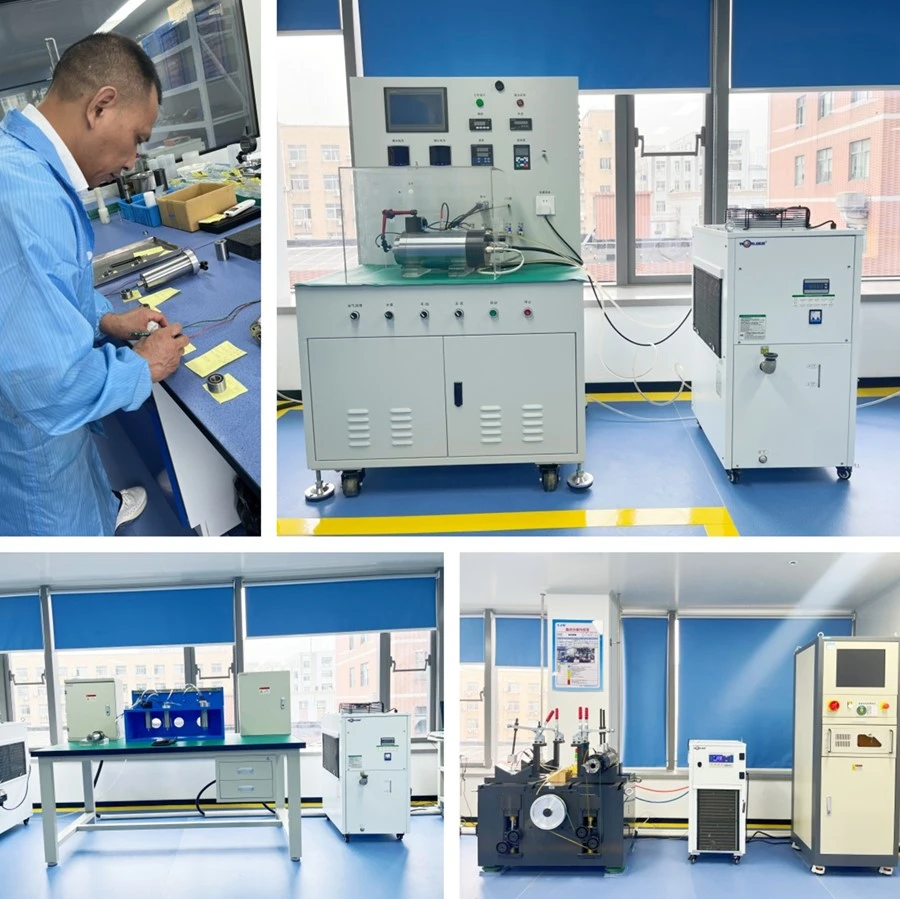
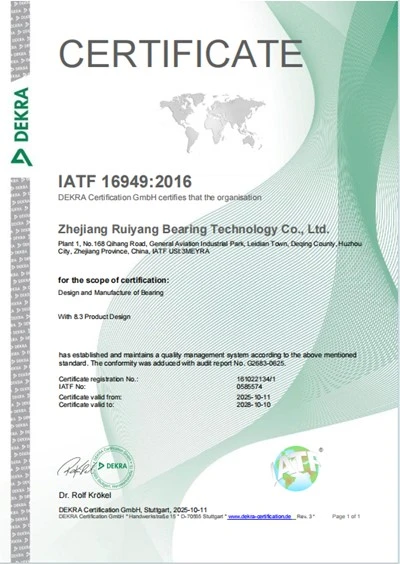
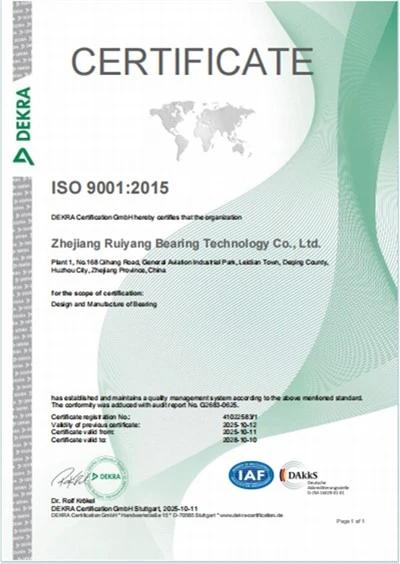
∗ 2 modern manufacturing factories - Hangzhou Yijia Precision Bearing Co., Ltd. and Zhejiang Ruiyang Bearing Technology Co., Ltd.
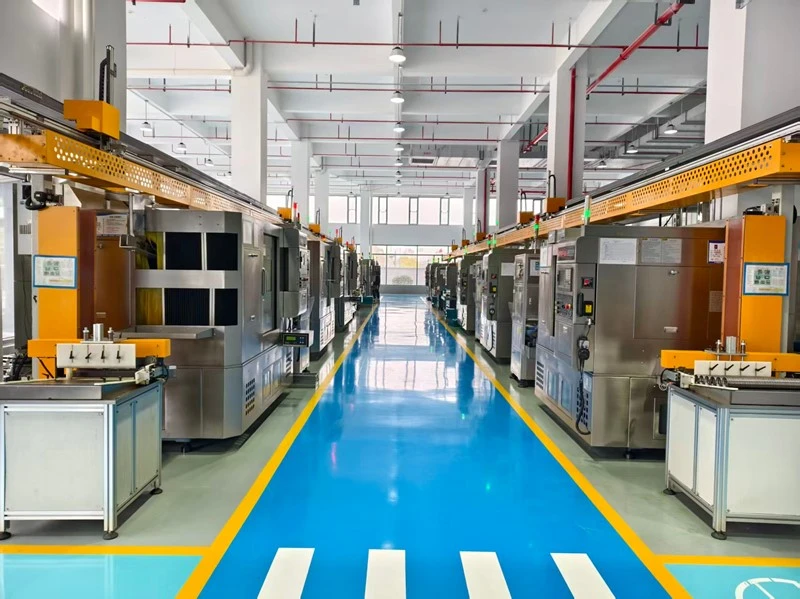
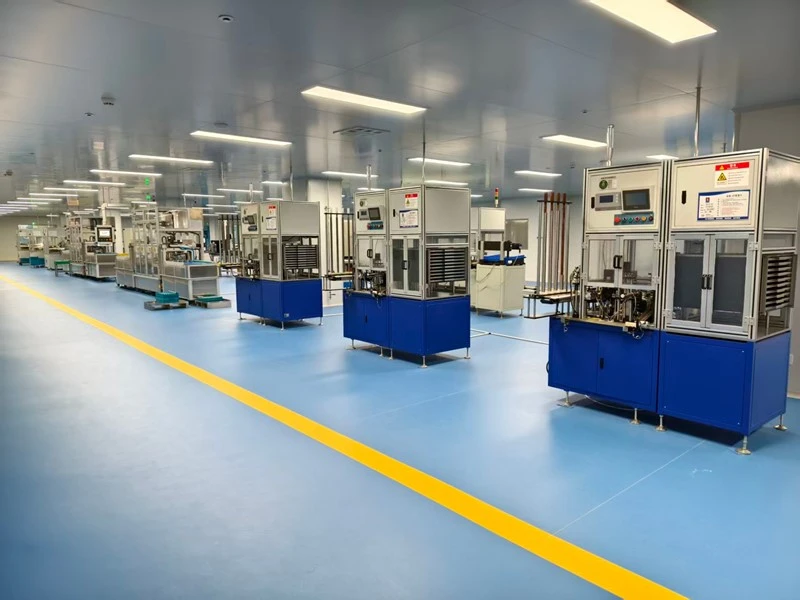
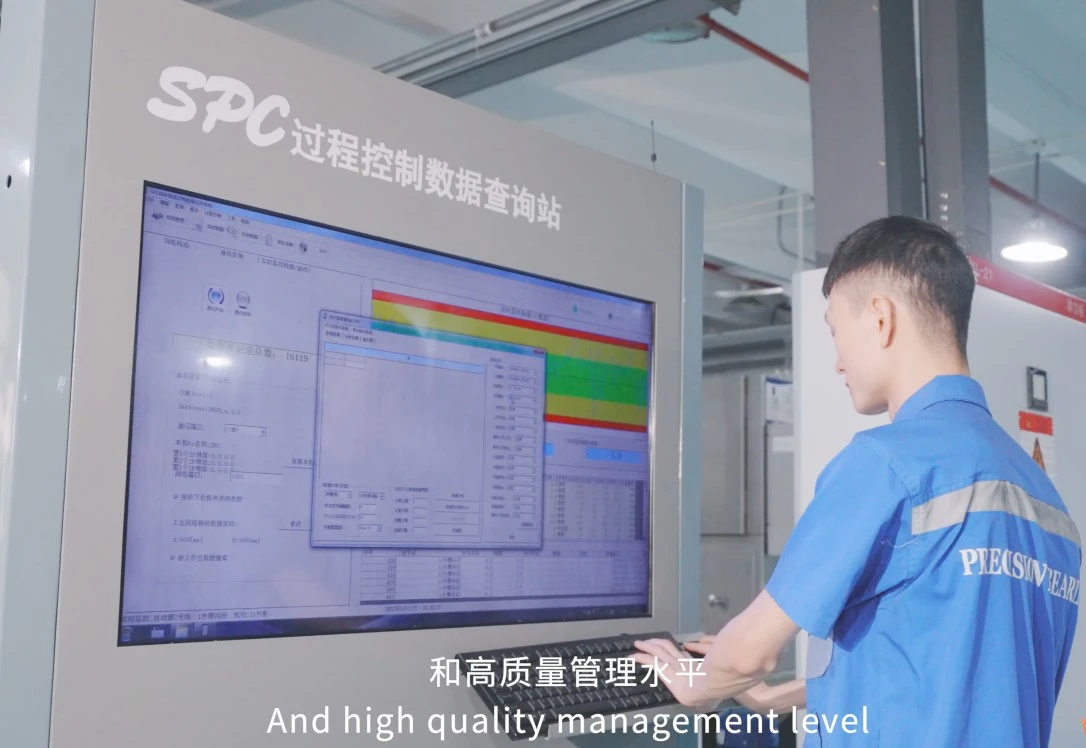
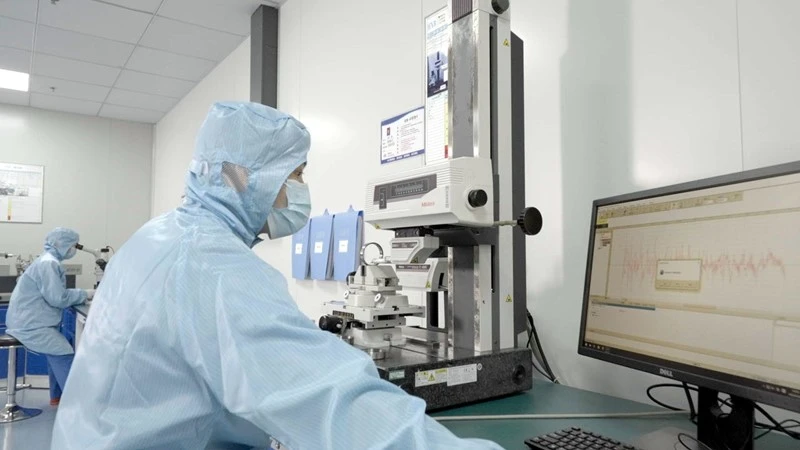
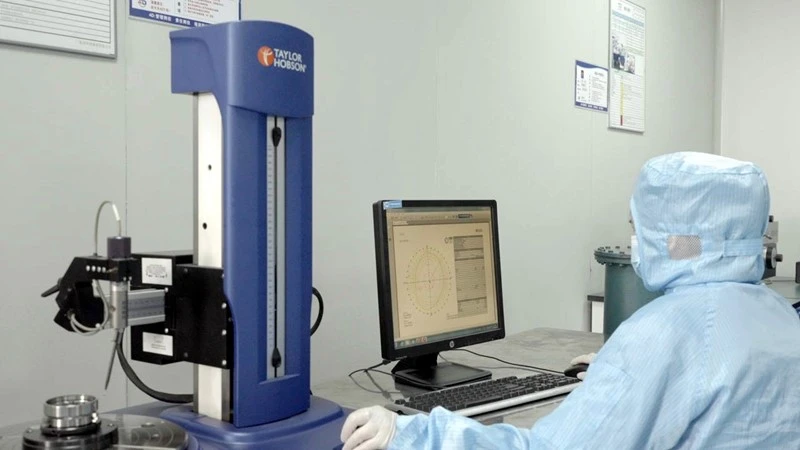
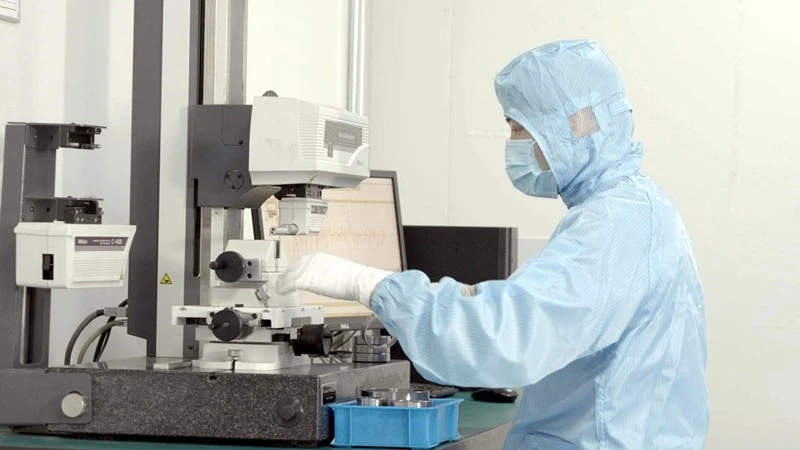
∗ Supported by advanced digital MES and SPC management systems
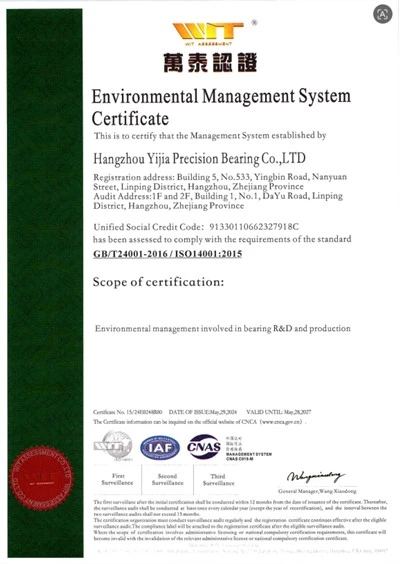
∗ IATF16949:2016, ISO9001:2015 and ISO14001 certifications
∗ High-end equipment and high-quality material
About HXB

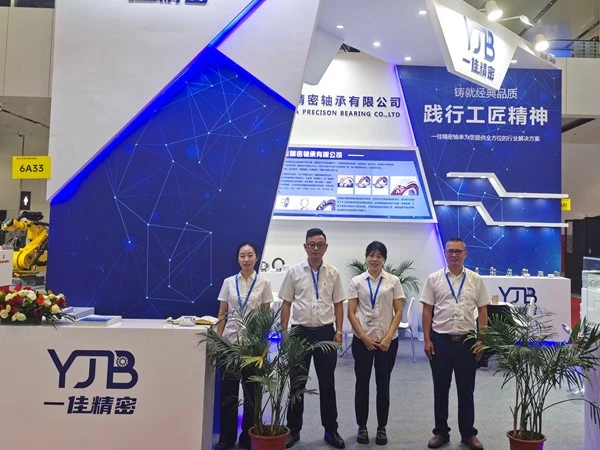
1. Hangzhou Factory - YJB
Founded in June 2007, YJB is located in Hangzhou. As a subsidiary of HXB Group, we are a national high-tech enterprise and provincial science & technology enterprise specializing in R&D and manufacturing of high-precision, high-speed, advanced, special and professional bearings.
Core Capabilities & Intelligent Manufacturing
- Product Size: Inner diameter Φ3–Φ300mm
- Precision Classes: P2, P4 (ultra-precision grades)
- Annual Capacity: 3 million sets of precision bearings in a lean & intelligent factory
- Equipment Investment: Over RMB 3 million in world-leading precision testing instruments
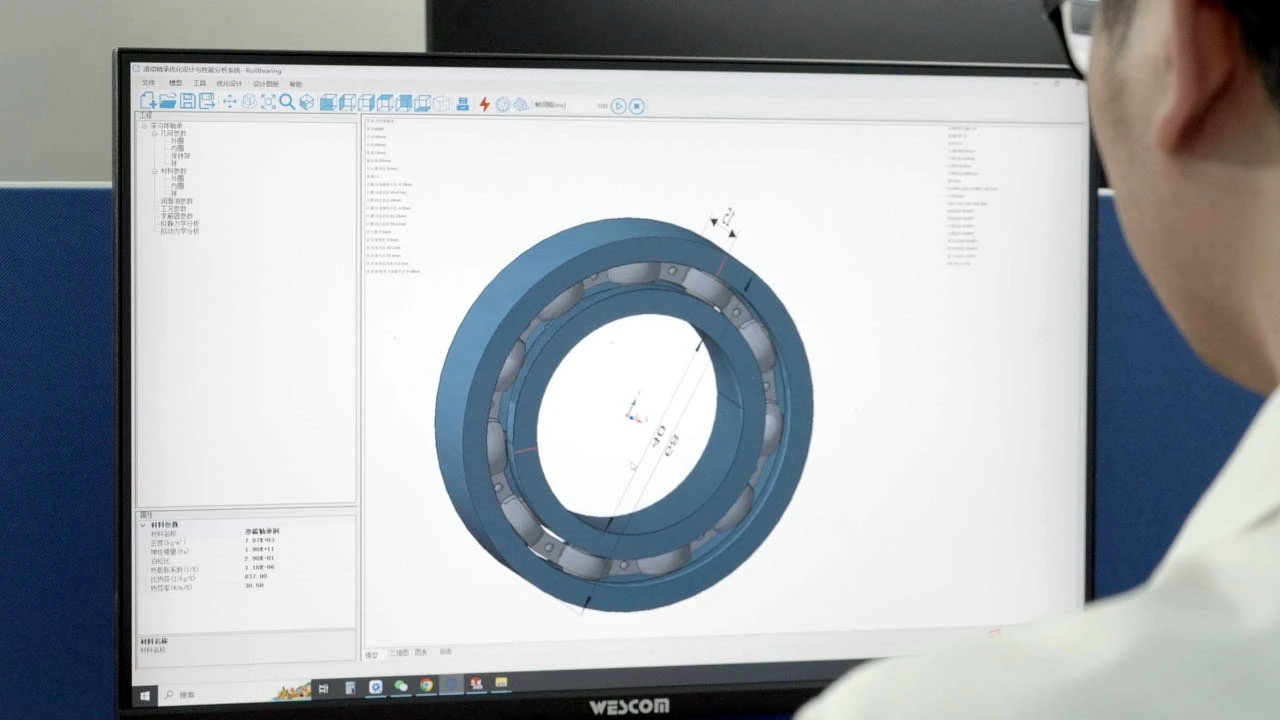
- Digital Transformation: with full deployment of MESYS bearing design platform, ERP, MES, WMS, SPC real-time quality monitoring and OA systems, building a benchmark smart manufacturing plant.
Main Products
Precision Spindle Bearings
Angular Contact Ball Bearings
Servo Motor Bearings
Vacuum Pump Bearings
Ball Screw Support Bearings
2. Huzhou Factory
In 2021, the deep groove ball bearing factory relocated from Hangzhou to Huzhou. It operate in a 10,000㎡ production facility with a team of 75 employees, focused on the R&D, and manufacturing of high-performance deep groove ball bearings.
We maintain a professional engineering and quality system to ensure stable precision and reliability.
Engineering Team: 4 bearing design & process engineers, accounting for 5% of staff.
Quality Team: 15 quality personnel, including 2 quality engineers, 20% of staff, covering incoming inspection, in-process control and final testing.

Product Range
Series: 6000–6024, 6200–6214, 6300–6314, 6800–6824, 6900–6924
Features: High rigidity, low noise; suitable for grease lubrication or oil-mist lubrication.
6 Series X4YA-2RS (Double-lip seal) & APT Retainer Series
Features: High & low temperature resistance, superior sealing, high load capacity, long service life.
Application: New energy vehicle transmission systems.
Certificates
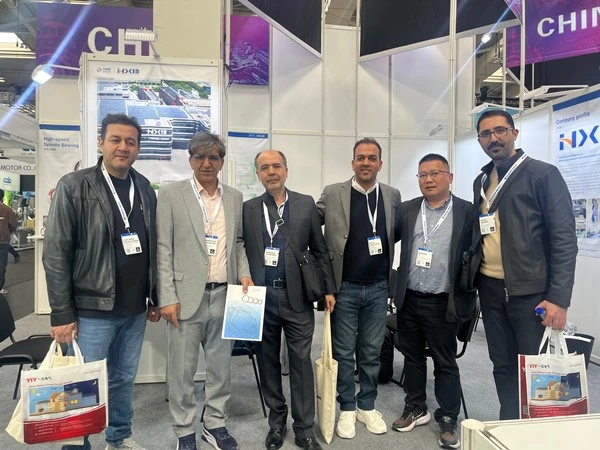
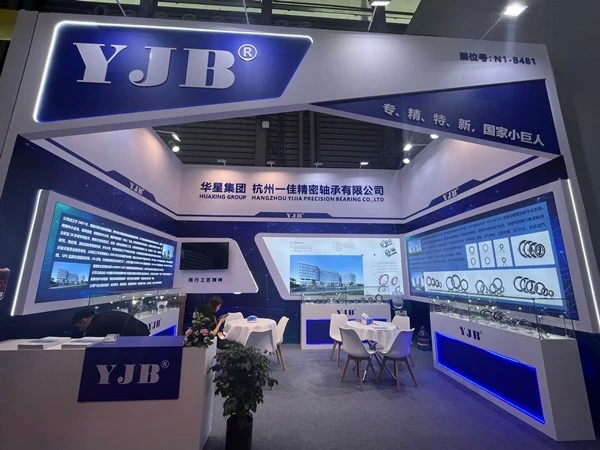
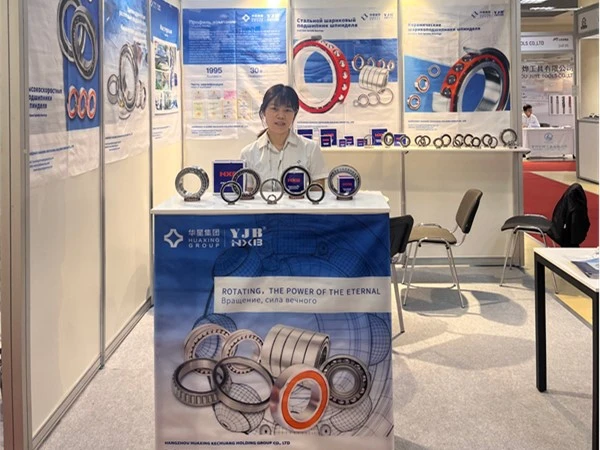
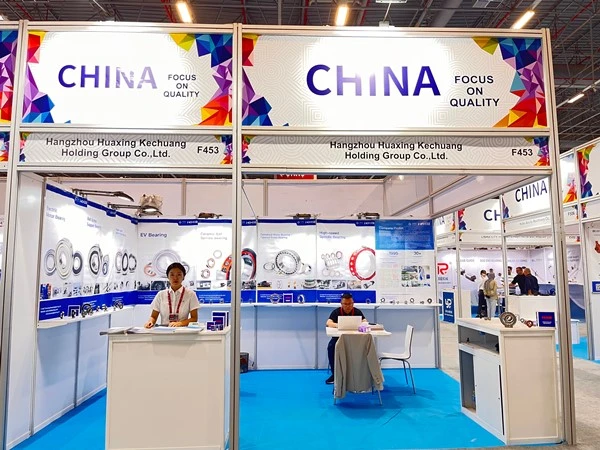
Exhibition
FAQ
Which industries rely most on hybrid ceramic bearings?
These bearings are critical in advanced manufacturing (CNC spindles, PCB drilling), new energy vehicles (EV drivetrains, 800V platforms), aerospace (jet engines, satellite reaction wheels), and medical equipment (MRI systems, surgical robotics). They also serve specialized sectors including semiconductor manufacturing, marine/offshore systems, wind energy, and high-performance consumer products like drones and premium bicycles, each leveraging specific ceramic properties to address unique operational challenges.
How do hybrid ceramic bearings enhance EV drivetrain performance?
In EVs, particularly 800V platforms, the non-conductive ceramic balls block stray shaft voltages that cause electrical pitting in steel bearings. Their 40% weight reduction also lowers friction at high rotational speeds (often exceeding 20,000 RPM), directly improving energy efficiency and extending driving range. This dual benefit of electrical protection and friction reduction makes them essential for next-generation electric powertrains.
Why are they preferred for high-speed PCB drilling spindles?
PCB manufacturing requires extreme RPMs and rapid acceleration cycles that exceed conventional bearing limits. The lightweight ceramic balls minimize centrifugal force and inertia, enabling sustained ultra-high speeds without excessive heat or ball skidding. Their high stiffness maintains spindle rigidity under dynamic cutting loads, ensuring micron-level hole placement accuracy and clean edges essential for high-density circuit boards.
What role do they play in aerospace and satellite systems?
Aerospace applications benefit from the 40% weight reduction of ceramic bearings, which improves fuel efficiency in jet engines and APUs, while their ability to withstand temperatures above 300°C ensures reliability in high-heat zones. In satellites, ceramics are ideal for reaction wheels and solar array drives due to vacuum compatibility, low outgassing, and dimensional stability across extreme orbital temperature swings, maintaining precision in guidance systems where failure is not an option.
How do they benefit medical imaging and surgical equipment?
In MRI scanners, the non-magnetic silicon nitride prevents interference with powerful superconducting fields, ensuring image quality and patient safety. For surgical robotics and dental handpieces, the smooth ceramic surface generates less heat during high-speed operation, protecting sensitive tissues, while chemical inertness ensures compatibility with aggressive sterilization cycles. Low vibration and high precision also guarantee accuracy in delicate diagnostic and surgical procedures.
Hot Tags: spindle bearings hcb71920-e-t-2rsd-p4s-ul, China spindle bearings hcb71920-e-t-2rsd-p4s-ul manufacturers, suppliers, factory