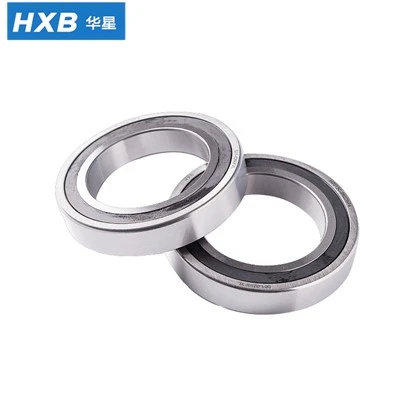
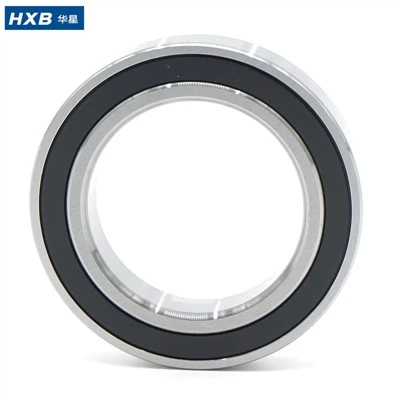
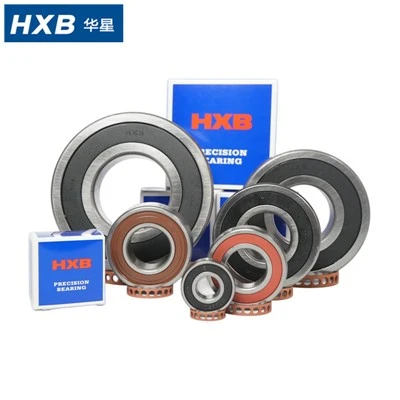
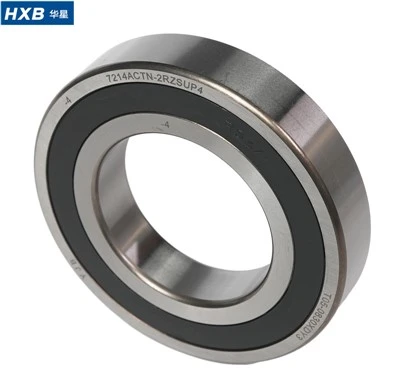
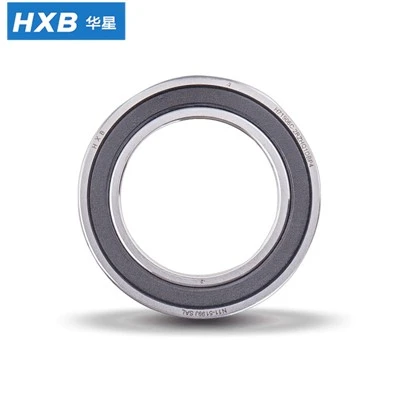
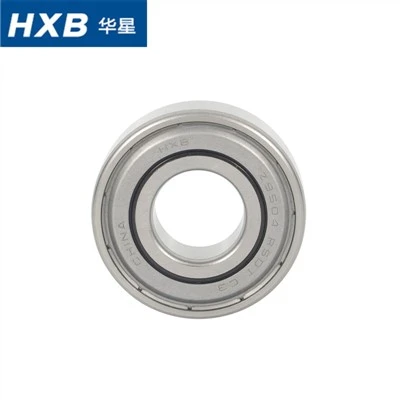
High-speed ball bearings, a type of rolling bearing, primarily consist of four basic components: the inner ring, outer ring, balls, and cage. The rings and balls are typically manufactured from high-quality materials such as high-chromium steel to ensure high strength, hardness, and wear resistance, while the cage is generally made of nylon to minimize drag torque. The evolution of cage materials progressed from brass or bronze (the dominant materials in the early 20th century) to stamped steel cages; the 1970s saw a material revolution with the introduction of Nylon 66, while 21st-century solutions utilize fiber-reinforced composites such as PEEK (polyether ether ketone).
In terms of design, a quasi-static model for high-speed rolling bearings was established. Taking the B7010C/P4 support bearing-used in a test rig for a specific non-standard aero-engine main shaft bearing-as the subject of study, the model was solved using the Newton-Raphson iteration method to determine the effects of load and rotational speed on contact angle, contact stress, and contact deformation. Additionally, the relationship between raceway surface topography parameters and bearing performance was established. By measuring and comparing the 3D surface topography of inner-ring raceways from domestic and international bearings of the same model, the study validated the effectiveness of ten parameters-Sa, Sz, Ssk, Sku, Sxp, Vmp, Vvc, Sdp, Sdr, and Spd-in characterizing bearing performance.