Manufacturing Process Of Agricultural Machinery Bearings: From Material To Finished Product
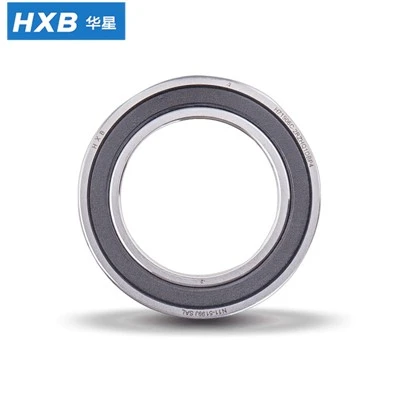
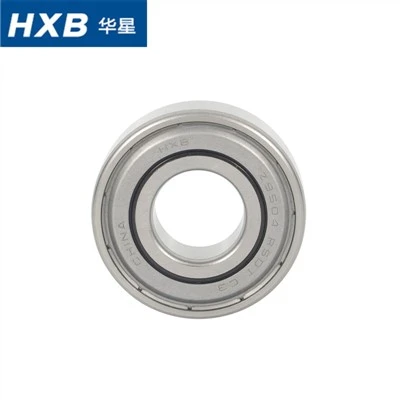
Agricultural machinery bearings are critical mechanical components that connect and support rotating parts, ensuring their smooth operation. Their performance directly determines the operational efficiency, energy consumption, and service life of agricultural equipment. Unlike general-purpose bearings, agricultural bearings are designed and manufactured to withstand the harsh conditions typical of agricultural operations, such as dust, mud and water, impact loads, and corrosive environments.
1. Material Selection and Forging: Manufacturing begins with the selection of specialized steels. To meet requirements for high strength, wear resistance, and rust prevention, high-carbon chromium bearing steel or specially treated medium-carbon alloy steel is typically used. After cutting and heating, the steel undergoes precision forging to form bearing ring and rolling element blanks; this process optimizes the metal grain flow, enhancing material density and fatigue life.
2. Turning and Shaping: The forged blanks undergo multiple turning operations to gradually form the initial geometries of the rings, including the inner and outer raceways and flanges. Strict control over dimensional and geometric tolerances during this stage establishes a precise foundation for subsequent grinding.
3. Heat Treatment and Strengthening: After turning, the components undergo quenching and tempering. Quenching significantly increases the surface hardness of the rings and rolling elements to over HRC60, ensuring excellent wear resistance; subsequent tempering relieves internal stresses and stabilizes the microstructure, striking a balance between hardness and toughness to prevent brittle fracture during use.
4. Precision Grinding and Super-finishing: Heat-treated components require precision grinding to correct any deformation. High-precision CNC grinding machines are used to grind raceways and end faces, achieving dimensional accuracy and surface roughness levels in the micrometer range. This is followed by super-finishing, where fine-grained abrasive stones polish the raceways to further reduce surface roughness and refine micro-geometry, thereby minimizing vibration and noise during bearing operation.
5. Component Assembly and Inspection: Rings, rolling elements (balls or rollers), and cages-which have been rigorously sorted and matched for size-are assembled with high precision. Cages, typically made of stamped steel or engineering plastics, serve to space the rolling elements evenly. Assembled bearings must undergo multiple inspections-including tests for rotational flexibility, radial clearance, vibration levels, and sealing performance (where applicable)-to ensure that every unit meets design standards.