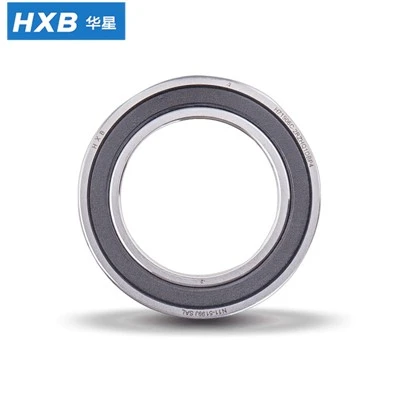
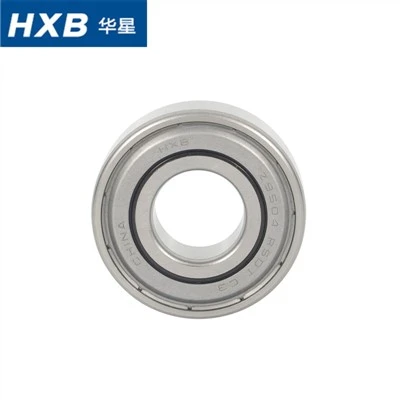
1. When the bearing has been in operation for a certain period (or has reached its scheduled maintenance interval), remove it completely.
2. Soak and clean the bearing in diesel or kerosene; if technical conditions permit, it is best to remove the seal cover for cleaning.
3. After cleaning, allow the solvent to drain and visually inspect the bearing for any damage.
4. Take a wooden rod (or preferably a hollow tube) approximately 150mm long with a diameter matching the inner diameter of the angular contact ball bearing, and mount the bearing onto one end.
5. While manually spinning the bearing rapidly, press the other end of the rod (or tube) against your ear or a microphone connected to an audio amplifier to listen for any noise during rotation.
6. With the bearing fixed in place, rock the rod laterally to check for any looseness caused by wear.
7. FAG bearings showing severe looseness, excessive noise, or significant damage should be discarded and replaced with the same model.
8. Melt an appropriate amount of grease (high-quality general-purpose grease) in a container over low heat (avoid overheating); submerge the inspected bearing in the grease until no more air bubbles escape. Removing the bearing before the grease cools results in less residual grease; removing the angular contact ball bearing after the grease cools results in more residual grease. Determine the desired amount of residual grease based on requirements.
9. Wipe off excess grease from the bearing's exterior using a soft cloth or tissue, then reinstall the FAG bearing onto the pulley in its original configuration; the maintenance process is now complete.