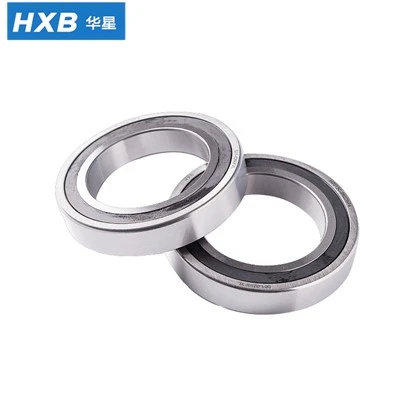
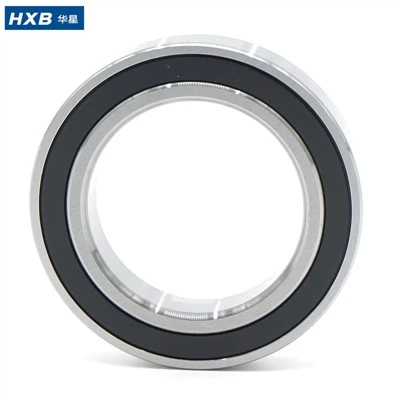
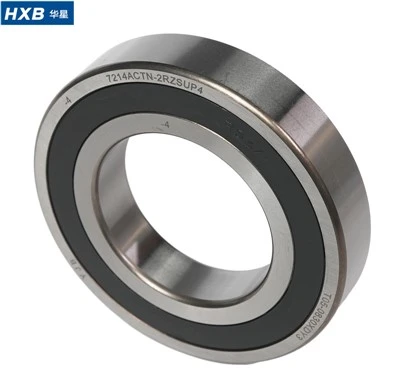
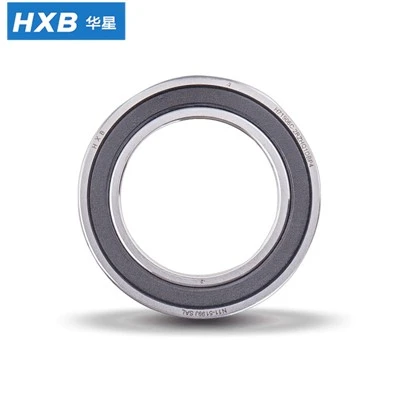
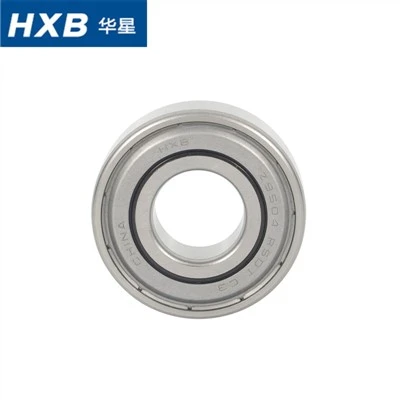
A high-speed bearing is a rolling bearing with a Dm·n value exceeding 1.0 × 10⁶ mm·r/min-a performance metric defined by the product of the bearing's mean diameter (Dm) and the inner ring's rotational speed (n)-making it suitable for high-precision, high-speed applications.
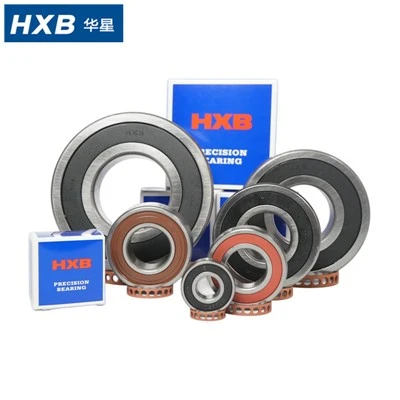
These bearings consist of an inner ring, an outer ring, rolling elements (balls), and a cage. High-chromium steel is used for the rings, while cages are typically made of nylon to minimize drag torque. Installation requires accounting for dimensional changes across a wide temperature range and deformations caused by centrifugal forces; stability is enhanced through precision dynamic balancing, and hollow shaft designs are employed to balance rigidity and mass. Surface treatments, such as grinding, are used to reduce friction, while raceway topography is optimized to control roughness and waviness. Typical applications include drive motors for new energy vehicles, wind turbine main shafts, and aerospace equipment. Ceramic ball bearings have been adopted in some new energy vehicle models to mitigate electrical corrosion. Cage materials have evolved from copper alloys and engineering plastics to polyether ether ketone (PEEK), carbon fiber-reinforced composites, and graphene-modified materials, with current trends moving toward smart materials that integrate shape-memory alloys or micro-sensors.