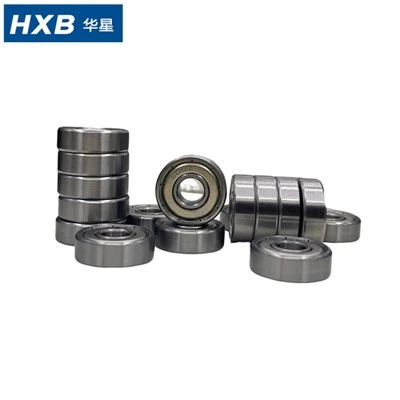
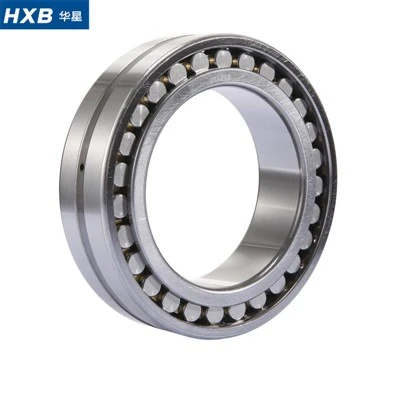
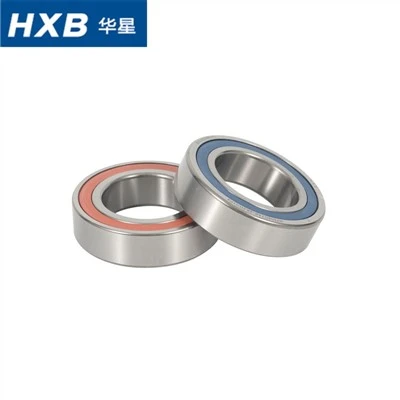
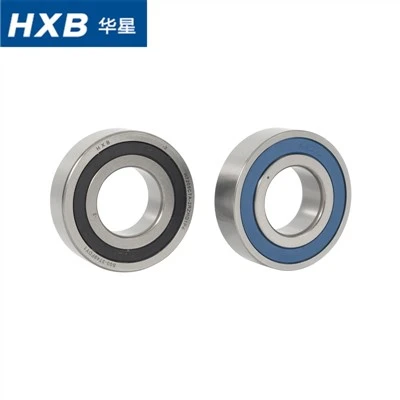
Hey there! As a supplier of precision angular contact ball bearings, I've seen my fair share of installation mishaps and successes. Installing these bearings correctly is super important, as it can really affect their performance and lifespan. So, let's dive into how you can get it right.
Pre - installation Checks
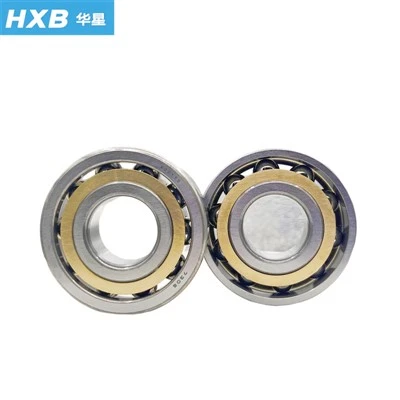
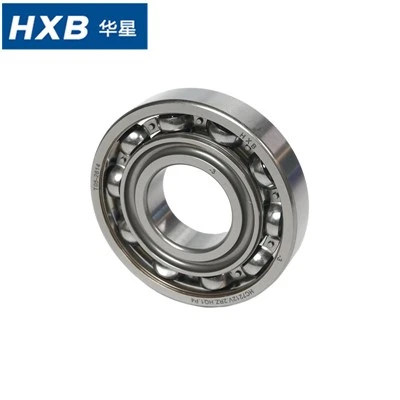
Before you even start the installation process, there are a few things you need to do. First off, check the bearings themselves. Make sure they're in good condition, without any visible damage like scratches, dents, or rust. If you're using a bearing like the Angular Contact Ball Bearings 7305BDB, give it a thorough once - over.
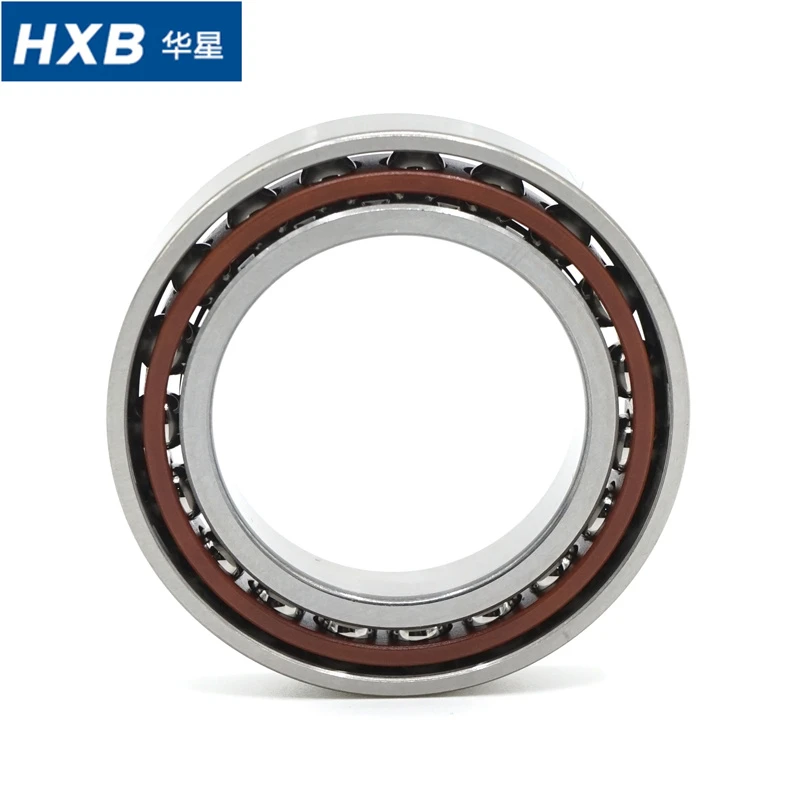
Next, examine the shaft and the housing where the bearing will be installed. The shaft should be straight and have the correct diameter and surface finish. Any roughness or irregularities can cause problems down the line. The housing should also be clean and free of debris, and its dimensions should match the bearing's specifications.
Cleaning
Cleanliness is key when it comes to installing precision angular contact ball bearings. Dirt, dust, or other contaminants can cause premature wear and failure. Use a high - quality cleaning solvent to clean both the bearing and the mating surfaces of the shaft and housing. Make sure to dry them completely before moving on. You don't want any moisture left behind, as it can lead to corrosion.
Mounting the Bearings on the Shaft
There are a couple of ways to mount the bearings on the shaft. One common method is the press - fit method. If you're using a press, make sure it's properly aligned with the shaft and the bearing. Apply a steady, even pressure until the bearing is fully seated on the shaft. Don't use excessive force, as it can damage the bearing.
Another option is the heat - mounting method. This is especially useful for tight - fitting bearings. You can heat the bearing using an induction heater or an oil bath. Just make sure to follow the manufacturer's recommendations for the heating temperature. Once the bearing is heated, it will expand slightly, making it easier to slide onto the shaft. Let it cool down slowly, and it will shrink back to its original size, creating a tight fit.
Installing the Bearings in the Housing
When installing the bearing in the housing, it's important to ensure proper alignment. You can use a bearing installation tool to help with this. Place the bearing in the housing and gently tap it into place using a soft - faced hammer. Make sure the bearing is seated evenly and that there's no misalignment.
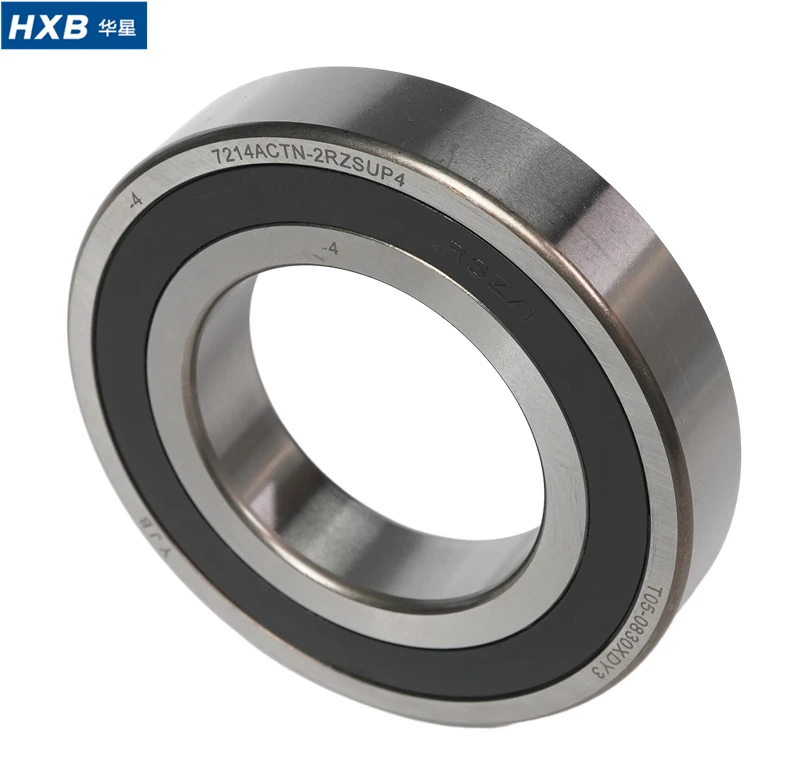
If you're dealing with a bearing like the Sealed Super Precision Angular Contact Ball Bearings 7214AC, be extra careful not to damage the seals during installation. The seals are there to keep contaminants out and lubricant in, so they're crucial for the bearing's performance.
Adjusting the Preload
Preload is an important factor in the performance of precision angular contact ball bearings. It can affect the bearing's stiffness, accuracy, and load - carrying capacity. There are different methods to adjust the preload, such as using shims or adjusting nuts.
If you're using shims, you'll need to measure the appropriate thickness to achieve the desired preload. This usually involves some trial and error. You can use a feeler gauge to measure the clearance between the bearing and the housing, and then add or remove shims accordingly.
Adjusting nuts are another option. They allow you to fine - tune the preload by tightening or loosening the nut. Make sure to follow the manufacturer's instructions for the correct torque value when using adjusting nuts.
Lubrication
Proper lubrication is essential for the smooth operation of precision angular contact ball bearings. It helps to reduce friction, wear, and heat generation. There are different types of lubricants available, such as grease and oil.
Grease is a popular choice because it's easy to apply and provides good sealing. When applying grease, make sure to fill the bearing cavity evenly. Don't over - grease, as it can cause overheating. You can use a grease gun to apply the grease.
Oil lubrication is often used in high - speed applications. The oil can be supplied by a circulation system or a splash - lubrication system. Make sure to use the correct type and viscosity of oil for your specific application.
Post - installation Checks
Once the bearing is installed, it's time to do some final checks. Rotate the shaft by hand to make sure the bearing rotates smoothly without any binding or noise. Check for any signs of misalignment or improper installation.
You can also perform some more advanced checks, such as measuring the vibration and temperature of the bearing during operation. Abnormal vibration or high temperatures can indicate a problem with the installation or the bearing itself.
Common Mistakes to Avoid
- Over - tightening: Be careful not to over - tighten the bearing during installation. This can cause excessive stress and lead to premature failure.
- Using the wrong tools: Make sure to use the appropriate tools for the installation process. Using the wrong tools can damage the bearing and the mating surfaces.
- Neglecting lubrication: As mentioned earlier, proper lubrication is crucial. Don't skip this step, or it will cost you in terms of bearing performance and lifespan.
- Ignoring alignment: Poor alignment can put extra stress on the bearing and cause uneven wear. Take the time to ensure proper alignment during installation.
Conclusion
Installing precision angular contact ball bearings correctly is not rocket science, but it does require attention to detail. By following the steps outlined above and avoiding common mistakes, you can ensure that your bearings will perform at their best and have a long lifespan.
If you're in the market for high - quality precision angular contact ball bearings or need more advice on installation, feel free to reach out. We're here to help you make the right choice and ensure a successful installation. Whether you're looking for the Precision Angular Contact Ball Bearings B71907 - C - T - P5, Angular Contact Bearings 7016CTYNSUP4, or Precision Bearings 71811ACTASUP4, we've got you covered. Let's talk about your specific needs and find the perfect solution together.
References
- Machinery's Handbook, 30th Edition
- SKF Bearing Handbook
- Timken Engineering Manual