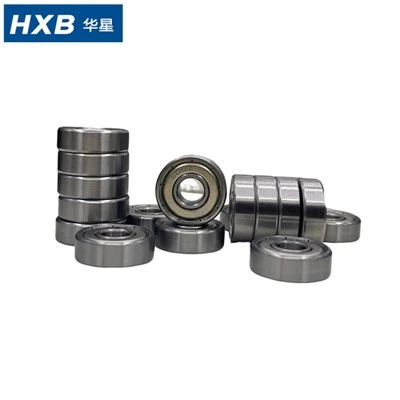
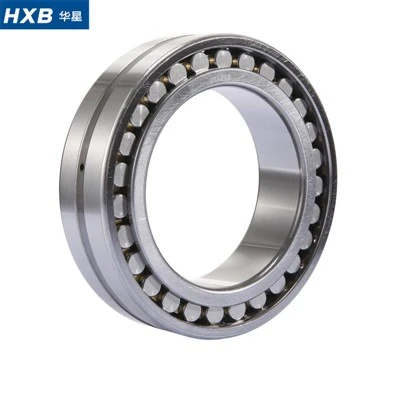
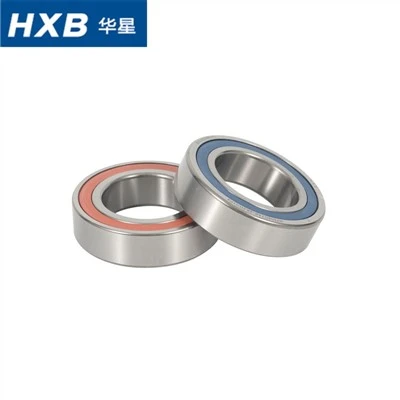
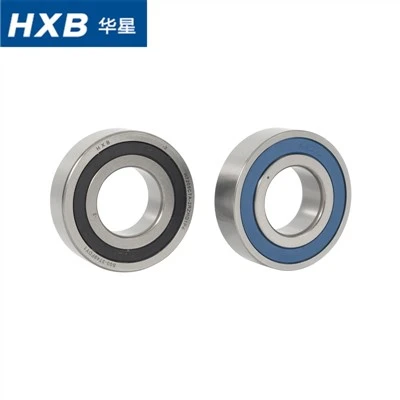
Double row precision cylindrical roller bearings are crucial components in various industrial applications, known for their high radial load capacity and precision performance. However, one common issue that users often encounter is the peeling of the raceway surface. This phenomenon can significantly affect the bearing's lifespan and performance, leading to increased maintenance costs and potential equipment failures. As a leading double row precision cylindrical roller bearing supplier, we understand the importance of preventing raceway surface peeling. In this blog, we will explore the causes of raceway surface peeling and provide effective preventive measures.
Causes of Raceway Surface Peeling
Material Defects
The quality of the bearing material is fundamental to its performance. Poor - quality steel or improper heat treatment can result in material inhomogeneities, such as the presence of non - metallic inclusions, segregation, or improper grain size. These defects can act as stress concentration points, leading to micro - cracks on the raceway surface under load. Over time, these micro - cracks can propagate and cause peeling. For instance, if the steel used in a Double Row Cylindrical Roller Bearing NN3017 contains large non - metallic inclusions, the stress distribution around these inclusions will be uneven, and the local stress will be much higher than the average stress, which increases the risk of surface peeling.
Lubrication Issues
Inadequate or improper lubrication is one of the most common causes of raceway surface peeling. Lubrication serves several important functions in bearings, including reducing friction, dissipating heat, and preventing direct metal - to - metal contact. When the lubricant is insufficient, the friction between the rollers and the raceway surface increases, generating excessive heat. High temperatures can cause the lubricant to break down, lose its lubricating properties, and may even lead to thermal expansion and deformation of the bearing components. For example, in high - speed applications of High Precision Cylindrical Roller Bearing NN3015K/P5W33, if the lubricant quantity is not adequate, the heat generated by friction cannot be effectively dissipated, and the raceway surface may start to peel due to the combined effects of high temperature and friction.
On the other hand, using the wrong type of lubricant can also be a problem. Different applications require different lubricants based on factors such as load, speed, temperature, and environmental conditions. Using a lubricant with incompatible viscosity or additives can lead to poor lubrication performance and eventually cause surface peeling.
Overloading and Misalignment
If the double row precision cylindrical roller bearing is subjected to loads beyond its rated capacity, the stress on the raceway surface will exceed its fatigue limit. This can result in premature fatigue failure and surface peeling. Overloading can occur due to incorrect design, unexpected operational conditions, or improper use. For example, in a heavy - duty industrial machine, if a Double Row Cylindrical Roller Bearing NN3018K is selected with a lower load - carrying capacity than the actual working load, the raceway surface will be overstressed.
Misalignment is another factor that can cause uneven load distribution on the raceway surface. When the bearing is misaligned, the rollers do not make proper contact with the raceway, leading to concentrated stresses at certain points. This can accelerate the wear and peeling of the raceway surface. Misalignment can be caused by installation errors, shaft deformation, or housing misalignment.
Contamination
Contaminants such as dust, dirt, and metal particles can enter the bearing during operation or installation. These contaminants can act as abrasive particles, scratching the raceway surface and accelerating wear. In addition, some contaminants may react chemically with the bearing material, causing corrosion and further weakening the raceway surface. For a Super Precision Cylindrical Roller Bearing NN3013 used in a dusty environment, if proper sealing measures are not taken, the raceway surface is likely to be damaged by the ingress of contaminants.
Preventive Measures
Quality Control of Bearing Materials
As a supplier, we pay strict attention to the quality of the bearing materials. We source our steel from reliable suppliers and conduct comprehensive quality inspections. This includes chemical composition analysis, non - destructive testing for inclusions, and evaluation of the heat - treatment process. By ensuring the high quality of the base material, we can minimize the risk of material - related peeling. For example, our Precision Cylindrical Roller Bearing NN3008 is made of high - grade steel with strict quality control to ensure a uniform and defect - free structure.
Proper Lubrication
Selecting the right lubricant and ensuring proper lubrication is crucial. We provide detailed lubrication guidelines for our customers based on the specific application requirements. The lubricant type should be chosen according to factors such as the operating temperature, speed, and load of the bearing. For low - speed and high - load applications, a lubricant with high viscosity may be required, while for high - speed applications, a lubricant with good heat - dissipation properties is more suitable.
In addition to choosing the correct lubricant, the lubrication quantity and interval also need to be carefully determined. Regular lubrication checks and replenishment are necessary to maintain the proper lubrication state of the bearing. We also recommend using advanced lubrication systems, such as automatic lubricators, which can provide a continuous and precise supply of lubricant to the bearing.
Correct Installation and Alignment
Proper installation is essential to prevent overloading and misalignment. We offer installation training and guidelines to our customers. During installation, it is important to use the correct tools and follow the specified installation procedures. For example, the bearing should be installed with the correct interference fit to ensure proper seating on the shaft and in the housing.
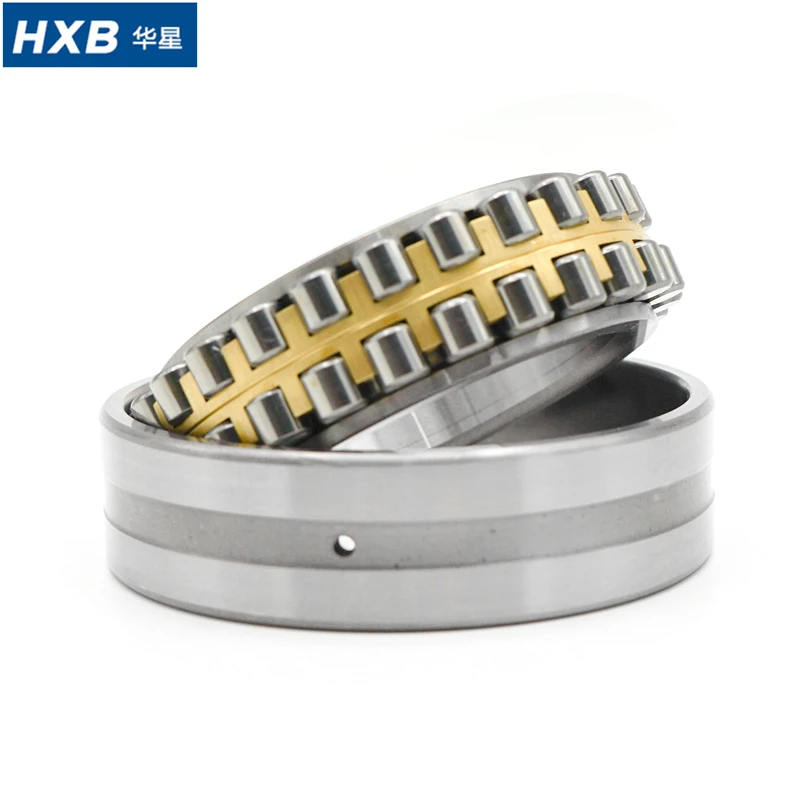

Alignment is also a critical step. We recommend using alignment tools and techniques to ensure that the bearing is installed in a properly aligned position. This can significantly reduce the uneven load distribution on the raceway surface and extend the bearing's lifespan.
Contamination Prevention
To prevent contamination, we design our bearings with effective sealing mechanisms. Seals can prevent the ingress of dust, dirt, and moisture into the bearing. We offer a variety of seal options, including contact seals and non - contact seals, to meet different application requirements.
In addition, the working environment should be kept clean as much as possible. Regular cleaning of the equipment and the use of protective covers can also help to reduce the risk of contamination.
Conclusion
Preventing the peeling of the raceway surface of double row precision cylindrical roller bearings requires a comprehensive approach that addresses material quality, lubrication, installation, and contamination prevention. As a professional double row precision cylindrical roller bearing supplier, we are committed to providing high - quality products and technical support to our customers. By following the preventive measures outlined in this blog, you can effectively extend the lifespan of your bearings and improve the reliability of your equipment.
If you are interested in our double row precision cylindrical roller bearings or need more technical advice on preventing raceway surface peeling, please feel free to contact us for procurement and further discussion.
References
- Harris, T. A., & Kotzalas, M. N. (2007). Rolling Bearing Analysis. John Wiley & Sons.
- Gupta, P. K. (2002). Tribology of Rolling Element Bearings. CRC Press.