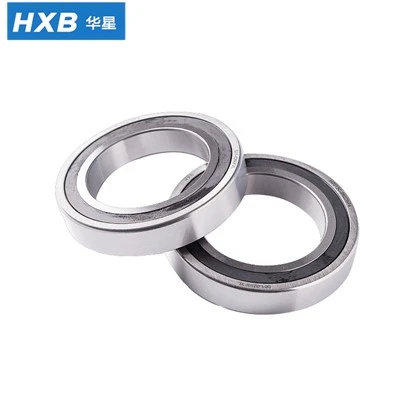
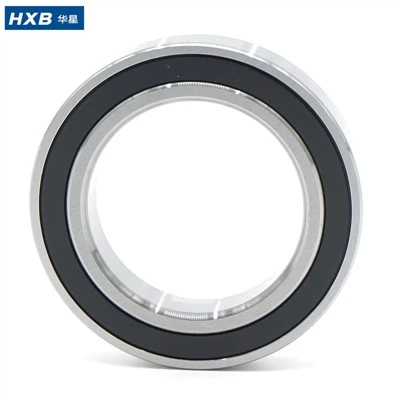
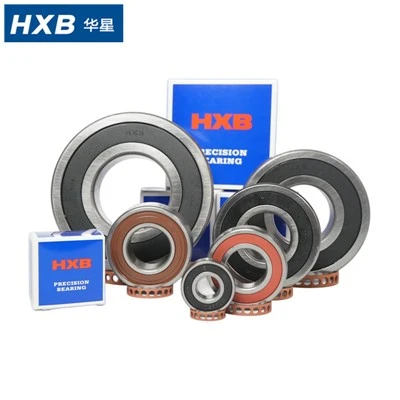
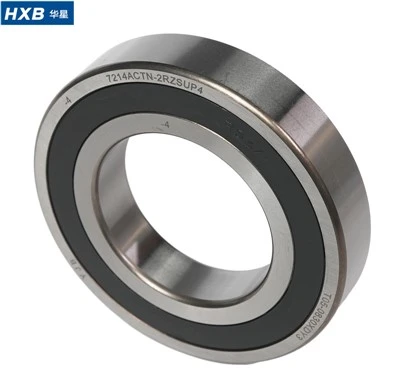
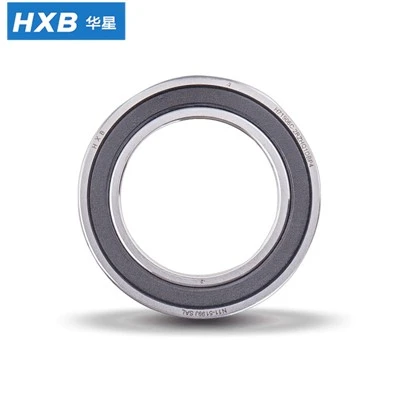
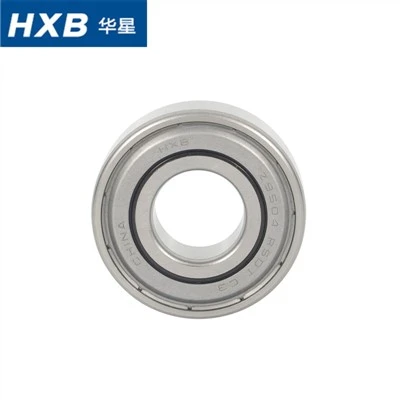
The suffix letters of angular contact ball bearings indicate specific information regarding the bearing's characteristics, intended use, and operating environment; for example, "AC" denotes ceramic balls, "B" indicates a 40° contact angle, and "C" signifies a standard contact angle.
Angular contact ball bearings are a common type of bearing widely used in various mechanical equipment. In bearing model designations, suffix letters often convey specific details and characteristics of the bearing. This article provides a detailed explanation of these suffix letters to help you better understand and select the appropriate bearing type.
I. Meanings of Suffix Letters
- AC: Indicates that the bearing balls are made of ceramic material; this offers superior hardness and wear resistance, making them suitable for harsh environments involving high speeds and high temperatures.
- B: Indicates a contact angle of 40°, suitable for applications involving combined radial and axial loads.
- C: Indicates the standard contact angle (typically 25°), suitable for applications where radial loads predominate.
- E: Indicates an internal design featuring reinforcing ribs, which enhances the bearing's rigidity and load-carrying capacity.
- H: Indicates the use of high-strength materials, resulting in greater load-carrying capacity and durability.
- M: Indicates a medium-series bearing, featuring moderate radial dimensions and load-carrying capacity.
- P4: Indicates a high precision class, suitable for applications requiring high levels of bearing accuracy.
II. Selecting Suffix Letters
When selecting angular contact ball bearings, the appropriate suffix letters should be chosen based on the actual operating environment and requirements. For instance, AC ceramic ball bearings are suitable for high-temperature and high-speed environments; bearings with a "B" contact angle are appropriate for combined radial and axial loads; and bearings with a "P4" precision class are suitable when high accuracy is required.
Additionally, other factors must be considered during selection, such as radial dimensions, fit tolerances for the inner and outer rings, and lubrication methods. Therefore, it is recommended to evaluate all relevant factors comprehensively based on the specific application to select the most suitable bearing type.
In summary, understanding the meanings of angular contact ball bearing suffix letters and the selection process enables us to choose the right bearings, thereby enhancing the performance and reliability of mechanical equipment.