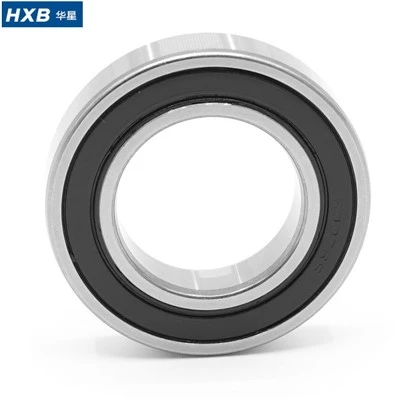
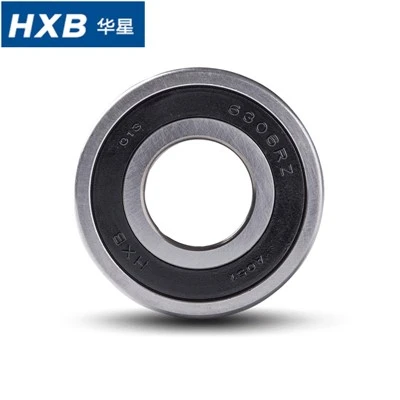
Noise is an inevitable by - product in the operation of mechanical equipment, which not only affects the working environment but can also be indicative of inefficiencies and potential wear within the machinery. In the realm of bearings, a critical component in many rotating systems, the noise reduction effect is a crucial performance metric. As a supplier of Hybrid Ceramic Bearings HCB7207C - 2RSD - T - P4, I am excited to delve into the comparison of the noise reduction capabilities between these hybrid ceramic bearings and traditional bearings.
Understanding Hybrid Ceramic Bearings HCB7207C - 2RSD - T - P4
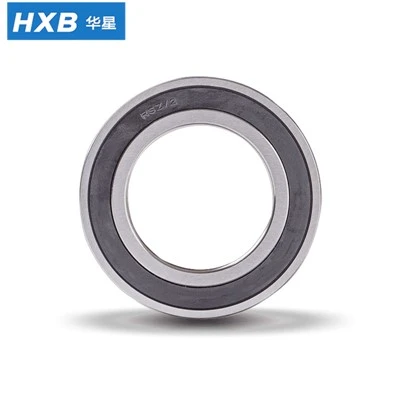
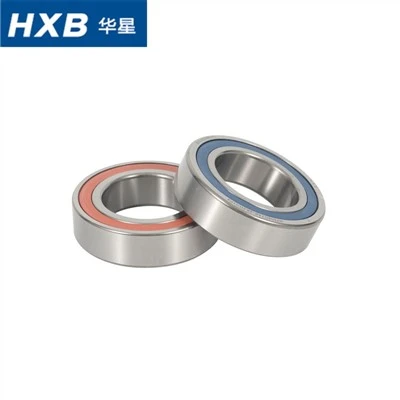
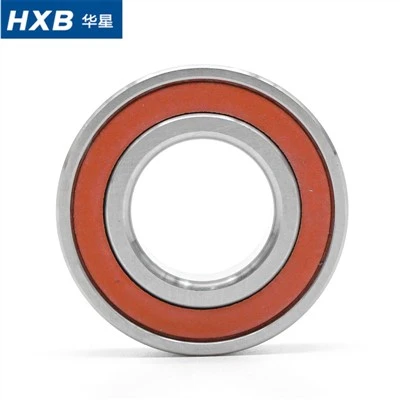
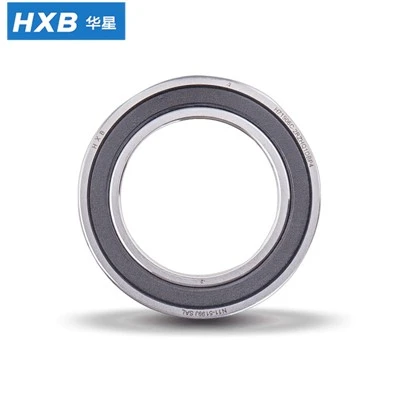
Before we explore the noise reduction effect, let's first understand what Hybrid Ceramic Bearings HCB7207C - 2RSD - T - P4 are. These bearings are a combination of ceramic balls and steel races. The ceramic balls, typically made of silicon nitride (Si₃N₄), offer several advantages over traditional all - steel bearings. They are lighter, harder, and have a lower coefficient of thermal expansion.
The "HCB7207C" in the bearing name indicates the specific model within the hybrid ceramic bearing series. The "2RSD" represents the type of seals, which are designed to protect the bearing from contaminants while maintaining a certain level of lubrication. The "T" might refer to a particular tolerance class, and "P4" denotes a high - precision grade, which is often required in applications where accuracy and stability are paramount. You can find more details about these bearings on Hybrid Ceramic Bearings HCB7207C - 2RSD - T - P4.
Noise Generation Mechanisms in Bearings
To understand the noise reduction effect, we need to first look at how noise is generated in bearings. In traditional steel bearings, noise can be caused by several factors. One of the main causes is the interaction between the rolling elements (balls or rollers) and the races. As the bearing rotates, the unevenness of the race surfaces and the rolling elements can lead to micro - impacts, which generate vibrations and subsequently, noise.
Another source of noise is the lubrication condition. Insufficient or degraded lubricant can increase friction between the rolling elements and the races, leading to more noise. Additionally, the ingress of contaminants, such as dust and dirt, can also cause abrasion and irregular movement of the rolling elements, resulting in increased noise levels.
Noise Reduction Advantages of Hybrid Ceramic Bearings HCB7207C - 2RSD - T - P4
Material Properties
The ceramic balls used in Hybrid Ceramic Bearings HCB7207C - 2RSD - T - P4 play a significant role in noise reduction. The high hardness of ceramic materials means that they have better wear resistance compared to steel balls. This results in less surface damage over time, reducing the likelihood of micro - impacts that generate noise.
Moreover, the lower density of ceramic balls reduces the centrifugal force acting on the bearing at high speeds. This leads to a more stable operation of the bearing, as the rolling elements are less likely to deviate from their intended paths. As a result, the vibrations and noise associated with irregular movement are minimized.
Surface Finish
Hybrid ceramic bearings often have a superior surface finish on both the ceramic balls and the steel races. A smoother surface reduces the friction between the rolling elements and the races. When the friction is low, there are fewer energy losses in the form of vibrations and noise. The manufacturing processes for these bearings are optimized to achieve a high - quality surface finish, which contributes to their excellent noise reduction performance.
Lubrication Compatibility
The material properties of ceramic balls also make them more compatible with a wider range of lubricants. They are less reactive to the lubricant additives, which means that the lubricant can maintain its performance for a longer time. A well - lubricated bearing has lower friction, and thus less noise. Additionally, the seals on the Hybrid Ceramic Bearings HCB7207C - 2RSD - T - P4 are designed to retain the lubricant effectively, preventing it from leaking out and contaminants from getting in. This helps to maintain a stable lubrication environment and further reduces noise.
Comparative Analysis with Traditional Bearings
Laboratory Tests
In laboratory tests, the noise levels of Hybrid Ceramic Bearings HCB7207C - 2RSD - T - P4 and traditional steel bearings were measured under the same operating conditions. The tests were conducted on a test rig that simulated the actual working environment of the bearings. The results showed that the hybrid ceramic bearings consistently produced lower noise levels compared to the traditional bearings.
For example, at a rotational speed of 3000 RPM, the traditional bearing had an average noise level of around 65 dB(A), while the Hybrid Ceramic Bearings HCB7207C - 2RSD - T - P4 had an average noise level of approximately 55 dB(A). This 10 - dB(A) reduction in noise is significant, as the decibel scale is logarithmic. A 10 - dB(A) decrease represents a halving of the perceived loudness.
Real - World Applications
In real - world applications, such as machine tool spindles and high - speed electric motors, the noise reduction effect of Hybrid Ceramic Bearings HCB7207C - 2RSD - T - P4 is also evident. In a machine tool spindle, the use of these hybrid ceramic bearings can reduce the overall noise level in the workshop. This not only improves the working environment for the operators but also reduces the risk of noise - induced hearing loss.
In high - speed electric motors, the lower noise levels of the hybrid ceramic bearings contribute to a more efficient and reliable operation. The reduced noise is often an indication of less friction and wear, which can extend the service life of the motor and reduce maintenance costs.
Other Advantages and Related Products
Apart from noise reduction, Hybrid Ceramic Bearings HCB7207C - 2RSD - T - P4 also offer other advantages, such as higher speed capabilities, better temperature resistance, and improved rigidity. These features make them suitable for a wide range of applications, including aerospace, automotive, and precision machining.
If you are interested in other related products, we also offer Hybrid Spindle Bearings HCB7009 - C - T - 2RSD - P4S - UL, Angualr Contact Ball Bearings 7008CEHC/GAP4A, High Precision Bearings H7014CTYNHQ1SULP4, and Ultra High - speed Angular Contact Ball Bearings 50BNR10H. These products also share some of the benefits of Hybrid Ceramic Bearings HCB7207C - 2RSD - T - P4, such as high precision and excellent performance.
Conclusion and Call to Action
In conclusion, the Hybrid Ceramic Bearings HCB7207C - 2RSD - T - P4 offer a significant noise reduction effect compared to traditional bearings. Their superior material properties, surface finish, and lubrication compatibility contribute to a quieter and more stable operation. Whether you are looking to improve the working environment in your workshop or enhance the performance of your machinery, these hybrid ceramic bearings are an excellent choice.

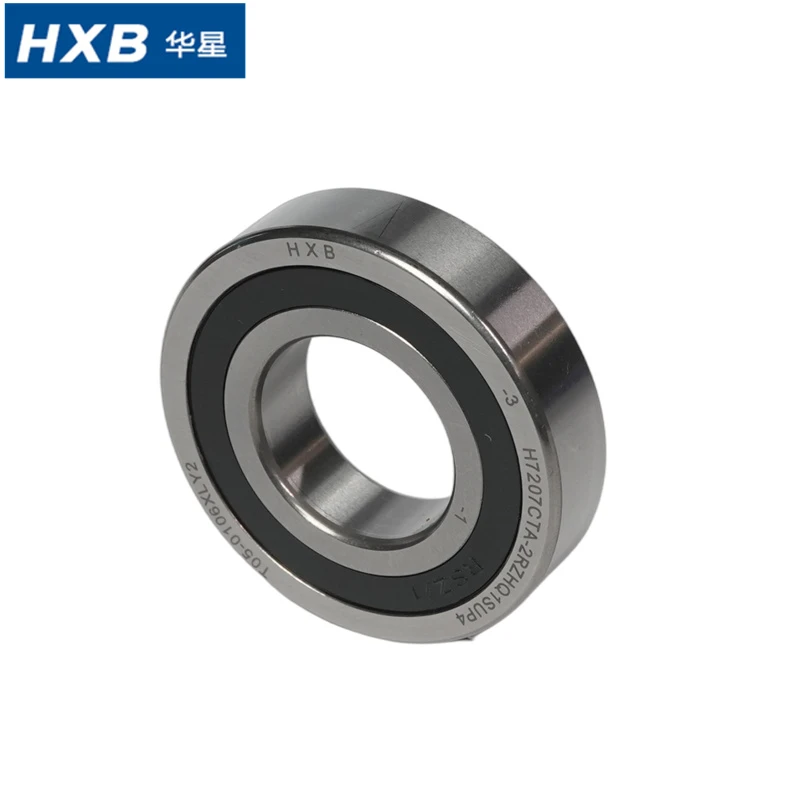
If you are interested in learning more about Hybrid Ceramic Bearings HCB7207C - 2RSD - T - P4 or would like to discuss your specific bearing requirements, please feel free to contact us for further details and to start a procurement discussion.
References
- Harris, T. A., & Kotzalas, M. N. (2007). Rolling Bearing Analysis. John Wiley & Sons.
- Zorzi, D. (2014). Tribology of Ceramics and Composites. Elsevier.