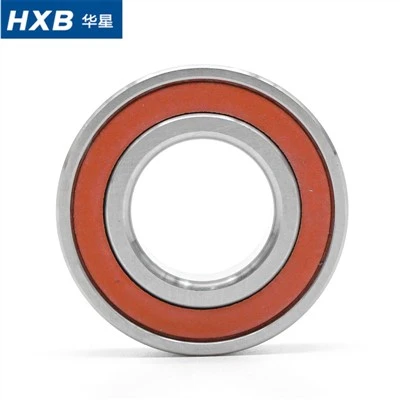
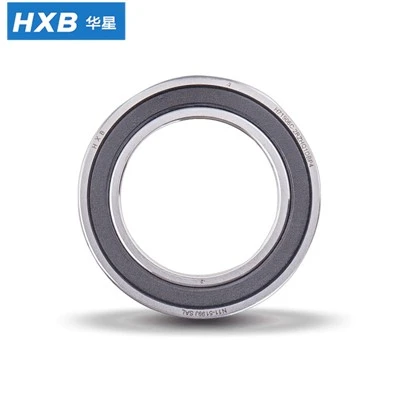
Detecting the early failure of vacuum pump bearings is crucial for maintaining the efficiency and reliability of vacuum pump systems. As a trusted supplier of vacuum pump bearings, we understand the significance of early detection in preventing costly downtime and equipment damage. In this blog post, we will explore various methods and techniques to detect the early failure of vacuum pump bearings, ensuring your operations run smoothly.
Understanding the Importance of Early Detection
Vacuum pump bearings are subjected to high loads, speeds, and harsh operating conditions, making them prone to wear and failure over time. Early detection of bearing problems allows for timely maintenance and replacement, preventing catastrophic failures that can lead to system shutdowns and costly repairs. By identifying potential issues before they escalate, you can extend the service life of your vacuum pump bearings and optimize the performance of your vacuum pump system.
Common Causes of Vacuum Pump Bearing Failure
Before delving into the detection methods, it is essential to understand the common causes of vacuum pump bearing failure. Some of the primary factors include:
- Lubrication Issues: Inadequate lubrication or lubricant contamination can lead to increased friction, heat generation, and premature wear of the bearing components.
- Contamination: Dust, dirt, moisture, and other contaminants can enter the bearing housing, causing abrasion, corrosion, and damage to the bearing surfaces.
- Overloading: Excessive loads or misalignment can put additional stress on the bearings, leading to fatigue, cracking, and eventual failure.
- High Temperatures: Elevated operating temperatures can degrade the lubricant, reduce the bearing's load-carrying capacity, and accelerate wear and aging.
- Vibration and Misalignment: Excessive vibration and misalignment can cause uneven loading on the bearings, leading to premature wear and failure.
Methods for Early Detection of Vacuum Pump Bearing Failure
There are several methods and techniques available for detecting the early failure of vacuum pump bearings. Here are some of the most effective approaches:
Vibration Analysis
Vibration analysis is a widely used technique for detecting early signs of bearing failure. By monitoring the vibration signals generated by the bearing, you can identify changes in the vibration pattern that may indicate the presence of a problem. Some of the key parameters to monitor include:

- Vibration Frequency: Changes in the vibration frequency can indicate the presence of a defect or damage in the bearing. For example, a high-frequency vibration may suggest the presence of a crack or a loose component.
- Vibration Amplitude: An increase in the vibration amplitude can indicate a serious problem with the bearing, such as excessive wear or misalignment.
- Vibration Phase: The phase relationship between different vibration signals can provide valuable information about the location and nature of the problem.
Vibration analysis can be performed using a variety of instruments, including accelerometers, vibration sensors, and spectrum analyzers. By regularly monitoring the vibration signals of your vacuum pump bearings, you can detect early signs of failure and take appropriate action to prevent further damage.
Temperature Monitoring
Temperature monitoring is another effective method for detecting early bearing failure. As the bearing deteriorates, the friction between the components increases, leading to an increase in temperature. By monitoring the temperature of the bearing housing, you can detect any abnormal temperature rise, which may indicate the presence of a problem.
There are several ways to monitor the temperature of the bearing housing, including:
- Thermocouples: Thermocouples are temperature sensors that can be installed directly on the bearing housing to measure the temperature.
- Infrared Thermometers: Infrared thermometers can be used to measure the surface temperature of the bearing housing from a distance.
- Temperature Monitoring Systems: Temperature monitoring systems can be used to continuously monitor the temperature of the bearing housing and provide real-time alerts if the temperature exceeds a predefined threshold.
By regularly monitoring the temperature of your vacuum pump bearings, you can detect early signs of failure and take appropriate action to prevent further damage.
Acoustic Emission Detection
Acoustic emission detection is a non-destructive testing technique that can be used to detect the early stages of bearing failure. As the bearing deteriorates, microscopic cracks and damage occur on the bearing surfaces, which generate acoustic emissions. By monitoring these acoustic emissions, you can detect the presence of a problem before it becomes visible or causes significant damage.
Acoustic emission detection can be performed using a variety of instruments, including acoustic emission sensors, preamplifiers, and signal analyzers. By regularly monitoring the acoustic emissions of your vacuum pump bearings, you can detect early signs of failure and take appropriate action to prevent further damage.
Lubricant Analysis
Lubricant analysis is a powerful tool for detecting early signs of bearing failure. By analyzing the condition of the lubricant, you can identify the presence of contaminants, wear particles, and other indicators of bearing deterioration. Some of the key parameters to monitor include:
- Viscosity: Changes in the viscosity of the lubricant can indicate the presence of contamination or degradation.
- Total Acid Number (TAN): An increase in the TAN of the lubricant can indicate the presence of oxidation or acid contamination.
- Wear Metals: The presence of wear metals in the lubricant can indicate the wear and tear of the bearing components.
- Particle Count: An increase in the particle count of the lubricant can indicate the presence of contaminants or wear particles.
Lubricant analysis can be performed using a variety of techniques, including spectroscopy, microscopy, and chromatography. By regularly analyzing the condition of the lubricant in your vacuum pump bearings, you can detect early signs of failure and take appropriate action to prevent further damage.
Recommended Vacuum Pump Bearings
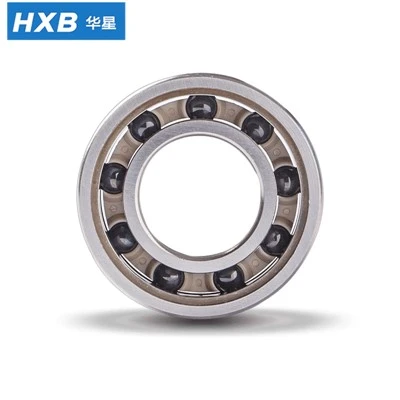
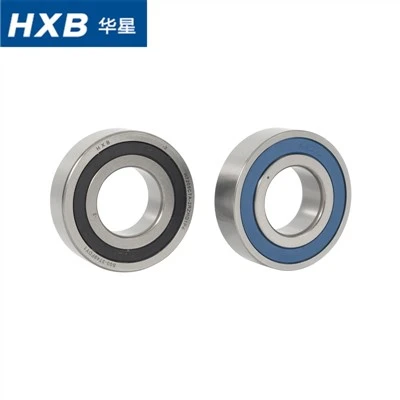
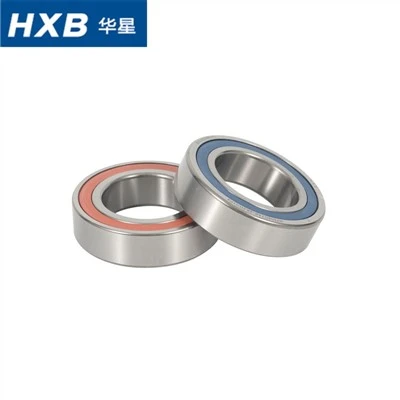
At our company, we offer a wide range of high-quality vacuum pump bearings to meet the needs of various applications. Here are some of our recommended products:
- Vacuum Pump Bearing VCMP212Y1: This bearing is designed for high-speed and high-load applications, offering excellent performance and reliability.
- Vacuum Pump Bearing VCMP209ASP: This bearing is suitable for a variety of vacuum pump applications, providing smooth operation and long service life.
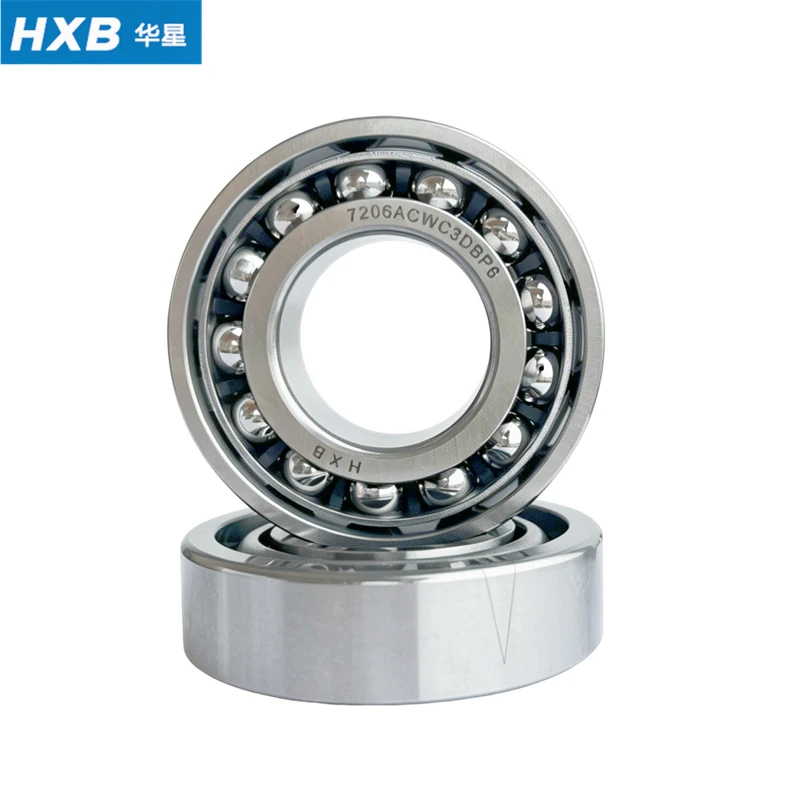
- Vacuum Pump Bearing 7206ACWC3DBP6: This bearing features a precision design and high-quality materials, ensuring reliable performance in demanding environments.
- Vacuum Pump Bearing VCMP114: This bearing is designed for use in vacuum pumps, offering excellent resistance to wear and corrosion.
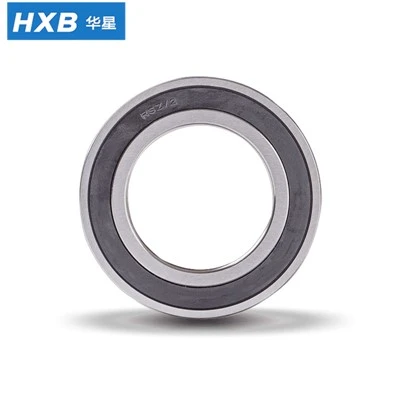
- Vacuum Pump Bearing 6206-2Z: This bearing is a popular choice for vacuum pump applications, providing reliable performance and cost-effective solutions.
Conclusion
Early detection of vacuum pump bearing failure is essential for maintaining the efficiency and reliability of your vacuum pump system. By using the methods and techniques outlined in this blog post, you can identify potential problems before they escalate and take appropriate action to prevent costly downtime and equipment damage. As a leading supplier of vacuum pump bearings, we are committed to providing high-quality products and exceptional customer service. If you have any questions or need assistance with your vacuum pump bearing requirements, please do not hesitate to contact us for further discussion and procurement.
References
- Harris, T. A., & Kotzalas, M. N. (2007). Rolling Bearing Analysis. Wiley.
- Zaretsky, E. V. (2010). Tribology of Rolling Element Bearings. CRC Press.
- Schmid, S., & Stupkiewicz, S. (2019). Rolling Contact Fatigue: Fundamentals, Modeling, and Applications. Springer.