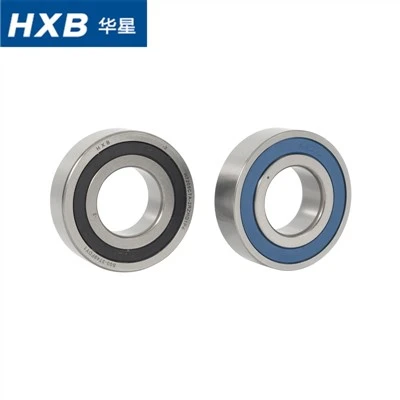
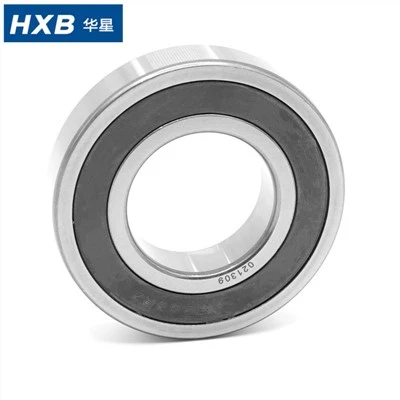
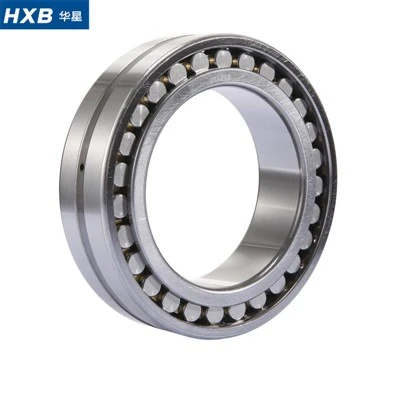
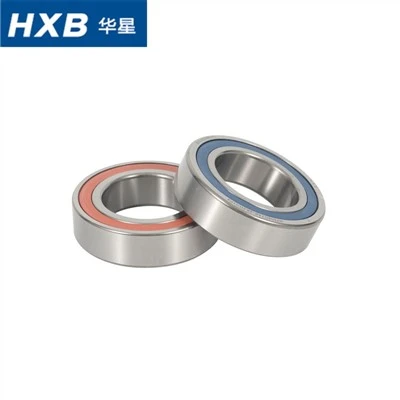
As a supplier of 6904ZZ bearings, I understand the importance of efficiency in various industrial and mechanical applications. The 6904ZZ is a deep groove ball bearing known for its versatility and reliability. In this blog, I will share some practical strategies to enhance the efficiency of 6904ZZ bearings, drawing on my experience in the industry.
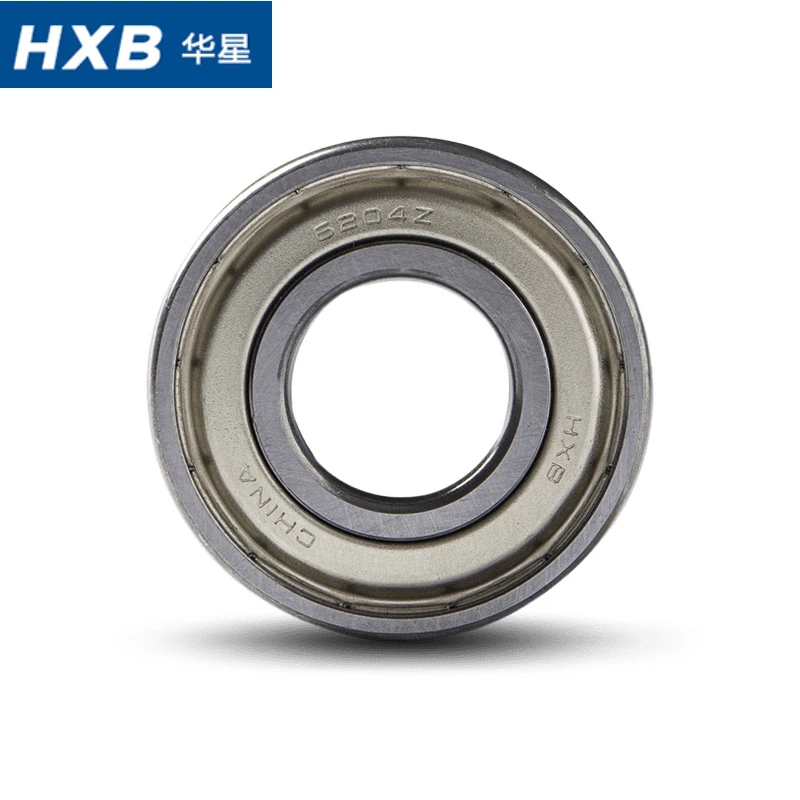

Selecting the Right Lubrication
One of the most critical factors in improving the efficiency of 6904ZZ bearings is the choice of lubrication. Lubrication reduces friction between the rolling elements and the raceways, minimizing wear and heat generation. There are two primary types of lubricants: grease and oil.
Grease is a popular choice for many applications due to its ease of use and ability to retain lubrication. When selecting grease for 6904ZZ bearings, consider the operating temperature, speed, and load. For high - speed applications, a grease with a low - viscosity base oil and a suitable thickener is recommended. For example, polyurea - thickened greases are known for their high - temperature stability and good shear resistance.
Oil lubrication, on the other hand, is more suitable for high - speed and high - temperature applications. It provides better heat dissipation and can be used in systems where continuous lubrication is required. For 6904ZZ bearings in electric motor applications, synthetic oils with good oxidation resistance and anti - wear properties can significantly improve efficiency. You can also refer to similar products such as Electric Motor Bearings 6208 - 2RS and Deep Groove Ball Bearings 6205ZZ, which also benefit from proper lubrication.
Precise Installation
Proper installation of 6904ZZ bearings is crucial for their efficiency. Incorrect installation can lead to misalignment, increased stress, and premature failure. Here are some key points to keep in mind during installation:
- Cleanliness: Ensure that the bearing housing, shaft, and all related components are clean before installation. Any contaminants, such as dirt or metal particles, can cause damage to the bearing surfaces and reduce efficiency.
- Alignment: Align the bearing correctly with the shaft and housing. Misalignment can result in uneven loading on the bearing, leading to increased friction and wear. Use alignment tools and follow the manufacturer's specifications for alignment tolerances.
- Mounting Force: Apply the mounting force evenly to the bearing. Avoid applying force directly to the balls or rollers, as this can damage the bearing. Use appropriate mounting tools, such as a bearing puller or press, to ensure a proper fit.
Regular Maintenance and Inspection
Regular maintenance and inspection can help identify and address potential issues before they cause significant problems. Here are some maintenance tasks that can improve the efficiency of 6904ZZ bearings:
- Lubricant Replacement: Over time, lubricants can degrade and lose their effectiveness. Replace the lubricant at regular intervals based on the manufacturer's recommendations and the operating conditions. This helps maintain proper lubrication and reduces friction.
- Vibration Monitoring: Use vibration sensors to monitor the vibration levels of the bearing. Changes in vibration can indicate problems such as misalignment, imbalance, or bearing wear. By detecting these issues early, you can take corrective action and prevent further damage.
- Visual Inspection: Regularly inspect the bearing for signs of wear, corrosion, or damage. Look for discoloration, pitting, or scratches on the bearing surfaces. If any issues are detected, replace the bearing immediately to avoid further problems.
Optimal Operating Conditions
The operating conditions of 6904ZZ bearings can have a significant impact on their efficiency. Here are some factors to consider:
- Temperature: High temperatures can affect the performance of the bearing and the lubricant. Ensure that the operating temperature is within the recommended range for the bearing and the lubricant. If necessary, use cooling systems to maintain a suitable temperature.
- Load: The 6904ZZ bearings are designed to handle specific loads. Overloading the bearing can lead to premature failure and reduced efficiency. Make sure the load applied to the bearing is within its rated capacity.
- Speed: Operating the bearing at speeds outside the recommended range can also cause problems. High speeds can generate excessive heat and increase wear, while low speeds may not provide sufficient lubrication. Follow the manufacturer's guidelines for the maximum and minimum operating speeds.
Utilizing Advanced Technologies
In recent years, several advanced technologies have emerged that can improve the efficiency of 6904ZZ bearings. For example, ceramic balls can be used instead of steel balls in some applications. Ceramic balls have lower mass, higher hardness, and better heat resistance than steel balls. This results in reduced centrifugal forces, lower friction, and improved efficiency, especially at high speeds.
Another advanced technology is the use of smart bearings. Smart bearings are equipped with sensors that can monitor various parameters such as temperature, vibration, and lubricant condition in real - time. This data can be used to optimize the performance of the bearing and predict maintenance needs, leading to increased efficiency and reduced downtime.
Conclusion
Improving the efficiency of 6904ZZ bearings requires a comprehensive approach that includes proper lubrication, precise installation, regular maintenance, optimal operating conditions, and the use of advanced technologies. By following these strategies, you can extend the service life of the bearings, reduce energy consumption, and enhance the overall performance of your equipment.
If you are interested in purchasing high - quality 6904ZZ bearings or have any questions about improving their efficiency, please feel free to contact us for further discussion. We are committed to providing you with the best solutions for your bearing needs.
References
- Harris, T. A., & Kotzalas, M. N. (2007). Rolling Bearing Analysis. Wiley.
- Zorzi, C., & Giacopini, L. (2018). Tribology of Rolling Element Bearings: Fundamentals and Applications. Springer.